643 Everridge Drive SW T2Y5E7 Calgary, AB
E-mail us: soboplumbing@gmail.com
Monday-Friday 8am-5pm

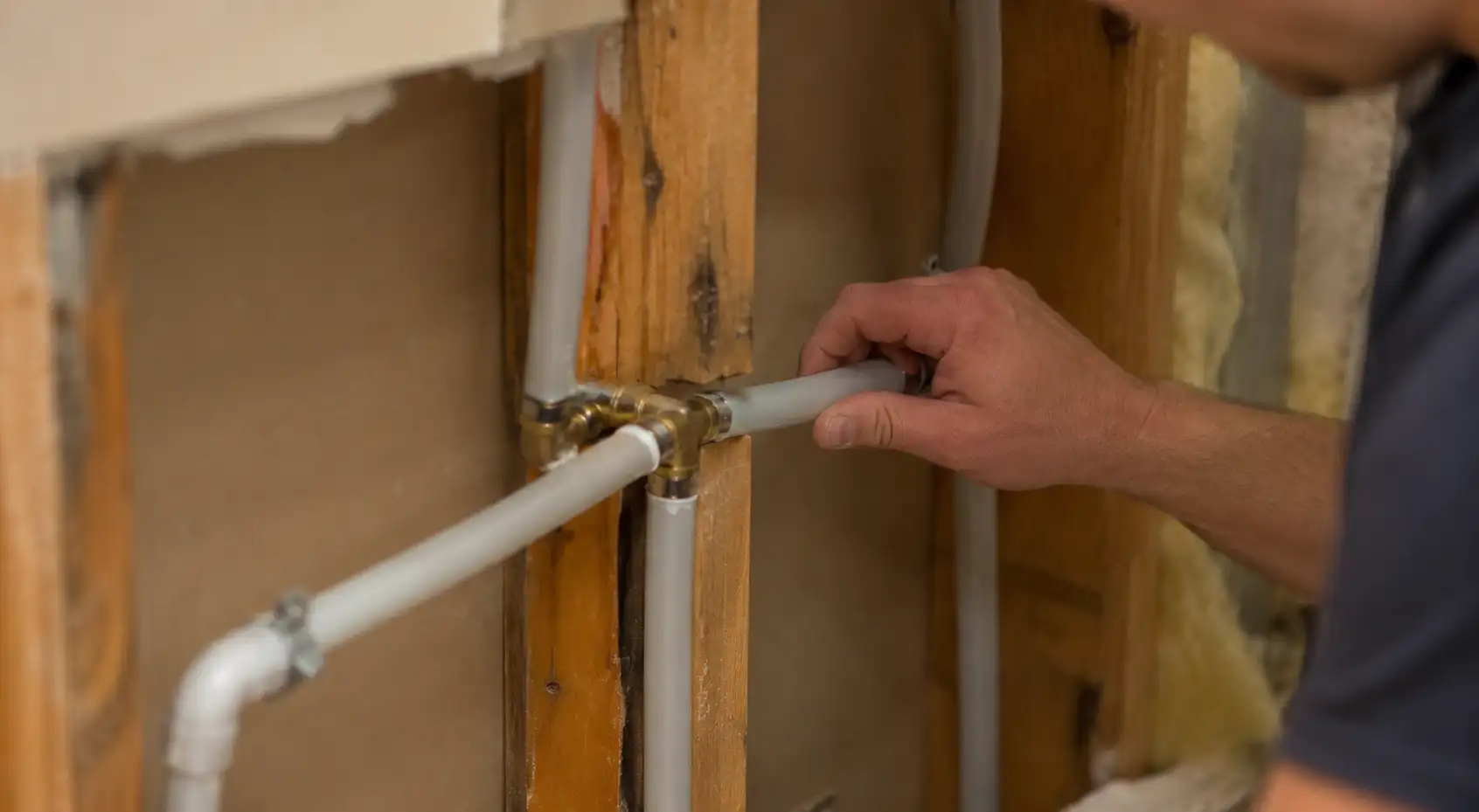
If your home has Poly B plumbing, you might be wondering whether it is really a problem or just another scary phrase plumbers use to make homeowners nervous. Fair question. After all, pipes are hidden behind walls, under floors, and in ceilings. If nothing is leaking today, everything must be fine, right?
Well… not exactly.
Poly B plumbing has become one of those home features that makes inspectors pause, insurance companies raise eyebrows, and homeowners suddenly become very interested in what is hiding behind the drywall. It was once seen as a modern, affordable plumbing solution. Today, it is widely known for its risk of leaks, failures, and expensive water damage.
So, what is wrong with Poly B plumbing, and why is Poly B bad? Let’s break it down in a way that is useful, practical, and not as dry as an old plumbing manual.
Poly B is short for polybutylene. It is a type of plastic plumbing pipe that was commonly installed in homes from the late 1970s through the 1990s. At the time, it seemed like a great idea. It was cheaper than copper, flexible, easy to install, and resistant to some types of corrosion.
For builders, it was convenient. For homeowners, it was supposed to be reliable. For future homeowners, well… let’s just say it became a bit like buying a used car and later discovering the engine was held together with optimism.
Poly B pipes are usually grey, although they can sometimes be black, blue, or other colours. They were often used for hot and cold water supply lines. The problem is not always obvious from the outside. A Poly B pipe can look perfectly normal until one day it decides to create an indoor waterfall feature you never asked for.
The biggest issue with Poly B plumbing is that it can become weak over time. The pipe material may deteriorate from the inside, especially when exposed to certain conditions. This means the pipe can look fine externally while slowly losing strength internally.
That is what makes Poly B so frustrating. It does not always give friendly warning signs. It does not knock politely and say, “Hello, I may fail next spring.” It often waits silently until pressure, temperature, fittings, age, or chemical exposure push it past the limit.
Common problems with Poly B include:
In other words, Poly B is bad not because every single pipe will fail tomorrow, but because the risk is higher than most homeowners want to gamble with.
One of the sneaky things about Poly B plumbing is that it often deteriorates internally. Water treatment chemicals, heat, pressure, and time can all contribute to weakening the pipe. Since the damage can begin inside the pipe wall, visual inspections may not tell the whole story.
This is why a homeowner may say, “But I looked at the pipes and they seem fine.” That may be true on the outside. Unfortunately, plumbing does not care about appearances. Pipes are not Instagram influencers. The real issue is whether the material can safely handle water pressure day after day, year after year.
Hot water lines can be especially vulnerable because heat may speed up material stress. Areas near fittings may also be weaker because connections create pressure points. Over time, these weak spots can turn into leaks.
The pipe itself is only part of the story. Some Poly B systems used plastic fittings, aluminum crimp rings, or installation methods that did not hold up well over time. Poor installation, tight bends, excessive pressure, and low-quality fittings can all increase the risk of failure.
A plumbing system is only as strong as its weakest connection. If the pipe is aging and the fittings are questionable, the entire system becomes a risk. It is a bit like having a strong front door but using a chocolate lock. Technically, it exists. Practically, you should not trust it.
That is one reason professional evaluation matters. A qualified plumber in Calgary can look at the type of pipe, fittings, visible wear, layout, and risk factors before recommending the best solution.
Ignoring Poly B may feel cheaper in the short term, but water damage can be brutally expensive. A small leak behind a wall can lead to soaked insulation, damaged drywall, flooring problems, mould concerns, and emergency repairs. The leak itself might be small. The bill may not be.
Poly B can also affect home resale. Buyers are often cautious when they see Poly B noted in a home inspection report. Some may ask for replacement before closing. Others may reduce their offer. Insurance may also become more complicated, depending on the provider and the condition of the system.
Potential consequences of keeping Poly B include:
That last point matters. A home should feel comfortable, not like a suspense movie where the villain is hiding inside the walls.
Sometimes a small section of Poly B can be repaired, especially during an emergency. But patching one leak does not remove the larger risk. If one section has failed, other parts of the system may be aging in similar conditions.
Repairing Poly B is often a temporary solution. Full replacement is usually the more reliable long-term approach. That means removing the old pipe and replacing it with modern plumbing materials that are accepted, durable, and better suited for today’s standards.
This is where hiring professionals becomes important. Replacing plumbing is not just “pull out old pipe, shove in new pipe, high-five yourself.” It requires planning, proper materials, safe connections, pressure testing, and careful access through walls, ceilings, or floors. A DIY attempt can quickly become a very wet learning experience.
Sobo Plumbing can help homeowners identify Poly B systems and plan proper replacement before a major leak happens. Professional plumbers understand how to replace aging supply lines efficiently while minimizing damage to the home.
A proper Poly B replacement in Calgary service is not just about swapping pipes. It is about protecting the property, improving reliability, and reducing future risk. A skilled plumber can also inspect visible plumbing components, check water pressure, recommend suitable materials, and complete the work safely.
Professional service helps make sure the new system is installed correctly, tested properly, and built to perform for years. That peace of mind is worth much more than a bucket under the ceiling at 2 a.m.
Not always. If your Poly B system is not currently leaking, you may not need panic mode. But you should not ignore it either. The smart approach is to have it inspected and start planning replacement before the plumbing chooses the timeline for you.
Emergency plumbing work is usually more stressful, more disruptive, and more expensive than planned replacement. When you plan ahead, you have more control over the schedule, budget, and repair process.
Think of it like replacing worn tires before winter. You might technically be able to keep driving on them, but the risk increases every day. And when things go wrong, they rarely choose a convenient moment.
Poly B plumbing was popular because it was inexpensive and easy to install. Unfortunately, time has shown that it can be unreliable, especially as it ages. The main concern is not simply that Poly B exists in a home, but that it may fail without much warning and cause serious water damage.
If your home has Poly B, the best next step is to have it professionally inspected. Sobo Plumbing can assess the system, explain your options, and help replace risky piping with modern materials. Your walls, floors, insurance provider, and future self will likely appreciate the decision.
Because when it comes to plumbing, boring is good. Water should stay inside the pipes. Drama belongs on television, not behind your drywall.

