643 Everridge Drive SW T2Y5E7 Calgary, AB
E-mail us: soboplumbing@gmail.com
Monday-Friday 8am-5pm

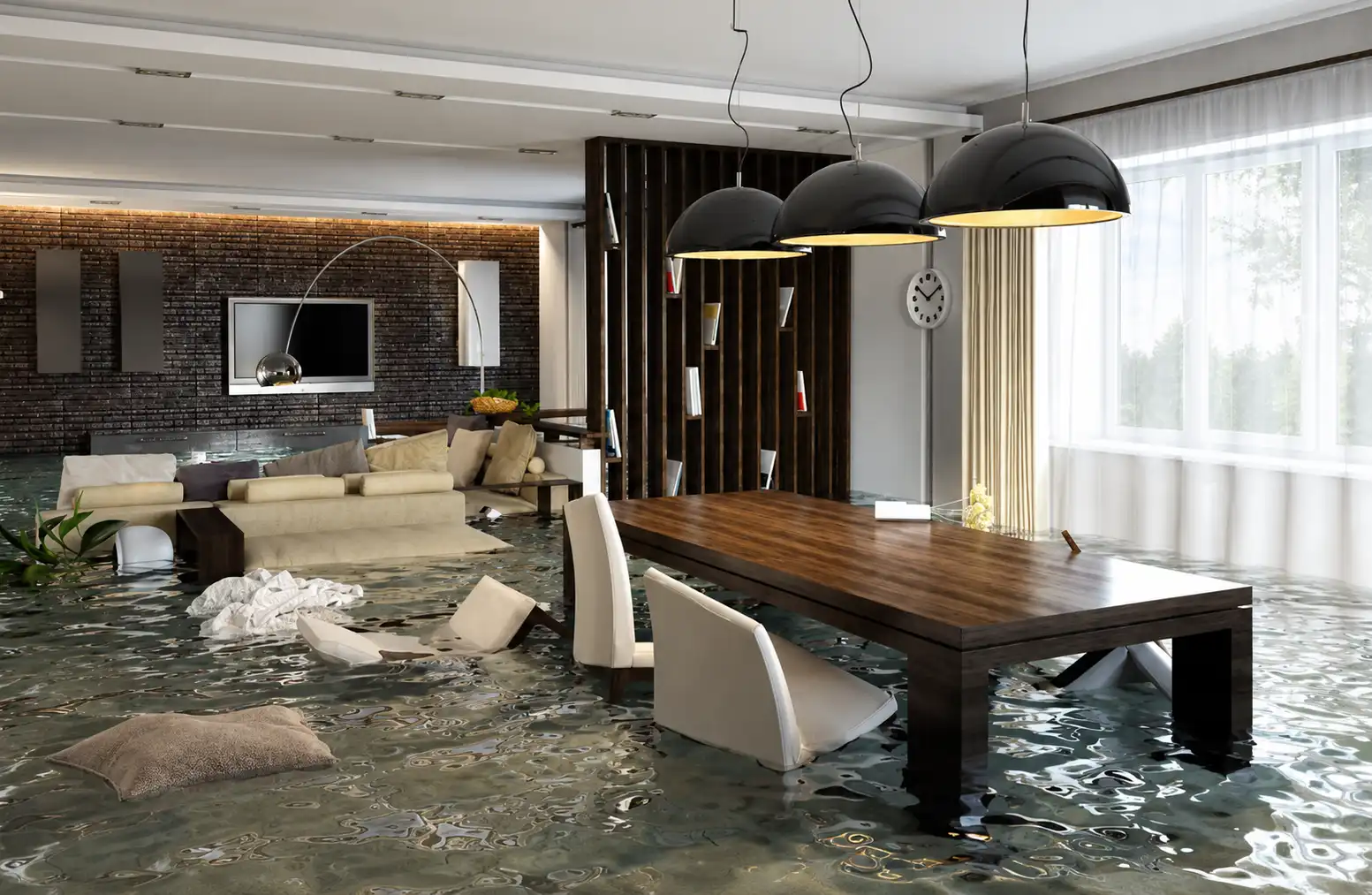
Plumbing emergencies have a special talent for arriving at the worst possible moment. They rarely happen at 2 p.m. on a quiet Tuesday when you are fully dressed, calm, and holding a fresh cup of coffee. No, they prefer midnight, holiday mornings, dinner parties, or the exact moment you realize you have guests coming over in 20 minutes. A burst pipe, overflowing toilet, backed-up drain, or leaking water heater can quickly turn a normal day into a small indoor water park – without the fun slides.
The good news is that you do not need to become a plumbing superhero overnight. In fact, trying to fix everything yourself can often make the problem worse. The smartest approach is to stay calm, reduce immediate damage, and contact a qualified professional as quickly as possible. Gabriellehonecounselling understands how stressful home emergencies can feel, and that is why choosing reliable help matters so much when your home suddenly starts behaving like a submarine.
The first thing to do in a plumbing emergency is simple but surprisingly difficult – do not panic. Water on the floor can make anyone feel like the house is auditioning for a disaster movie, but quick thinking is more useful than dramatic screaming.
Take a moment to figure out where the problem is coming from. Is water spraying from a pipe? Is the toilet overflowing? Is the sink backing up? Is there water around the water heater? You do not need to diagnose the issue like a licensed plumber, but understanding the basic source helps you take the next right step.
For example, a leaking faucet is annoying but usually not a full emergency. A burst pipe, sewage backup, or major leak near electrical outlets is much more serious. The faster you understand the difference, the faster you can protect your home and avoid unnecessary damage.
If water is actively leaking or flooding, your first practical move is to shut off the water. Most fixtures have local shut-off valves. Toilets usually have a valve behind or beside the base. Sinks often have valves under the cabinet. Turning these clockwise can stop water from continuing to flow.
If you cannot find the local valve, or if the problem is bigger than one fixture, shut off the main water supply to the home. Every homeowner should know where this valve is before an emergency happens. Unfortunately, many people discover its location while standing in wet socks, which is not the ideal learning environment.
Once the water is off, you have bought yourself time. The problem is not solved, but the damage is no longer actively increasing.
After stopping the water, focus on minimizing damage. Water can ruin flooring, drywall, cabinets, furniture, and personal belongings. Even a small leak can cause serious problems if it is ignored for too long.
Move furniture, rugs, electronics, and valuables away from the affected area. Use towels, buckets, mops, or a wet vacuum if you have one. If water is near electrical outlets, cords, appliances, or your breaker panel, keep your distance and avoid touching anything electrical. Safety comes first.
Here are a few smart emergency steps to take right away:
These steps will not replace professional repairs, but they can reduce the mess and help prevent additional damage while you wait for help.
There is a time and place for DIY. Tightening a loose showerhead? Sure. Replacing a simple washer? Maybe. Trying to repair a burst pipe with random tape, online advice, and pure optimism? That is where things can go sideways.
Plumbing systems are more complicated than they look. Behind one visible leak, there may be hidden pressure issues, damaged fittings, corrosion, blocked lines, or structural concerns. A quick temporary fix can sometimes hide a bigger problem until it returns later with extra enthusiasm.
Chemical drain cleaners are another common mistake. They may seem like an easy solution, but they can damage pipes, create dangerous fumes, and fail to remove the real blockage. If a drain is completely blocked or sewage is backing up, it is time to call a professional – not start a science experiment under the sink.
Once you have controlled the immediate situation, contact a qualified plumber. This is especially important for burst pipes, major leaks, sewage backups, water heater problems, frozen pipes, or recurring drain issues.
A professional has the tools, training, and experience to find the actual cause of the problem. They can also check whether there is hidden damage that might not be obvious right away. That matters because plumbing problems often travel behind walls, under floors, and into areas you cannot easily inspect.
When searching for help, choosing an emergency plumber in Calgary can make the difference between fast damage control and a much bigger repair bill. In urgent situations, speed and experience matter. A skilled plumber can stop the problem properly, explain what happened, and help prevent the same issue from happening again.
Not every plumbing issue requires immediate emergency service, but some problems should never be ignored. Waiting too long can lead to water damage, mould growth, structural issues, or unsafe living conditions.
Common plumbing emergencies include:
If the issue threatens your property, safety, or ability to use essential plumbing, treat it as urgent.
The best emergency is the one that never happens. Plumbing maintenance may not sound exciting, but neither does discovering ankle-deep water in your hallway at midnight. Regular inspections can catch small problems before they become expensive emergencies.
Pay attention to warning signs such as slow drains, low water pressure, strange noises, dripping pipes, water stains, musty smells, or unusually high water bills. These can all be early clues that something is wrong.
It is also smart to avoid pouring grease down the sink, flushing anything other than toilet paper, ignoring small leaks, or treating drains like garbage disposals with unlimited patience. Your plumbing system works hard every day, and it appreciates basic respect.
A plumbing emergency can feel overwhelming, but the right response makes a big difference. Stay calm, shut off the water, protect your home, avoid risky DIY fixes, and contact a professional as soon as possible. The goal is not to prove that you can handle everything alone. The goal is to protect your home, your time, and your sanity.
Gabriellehonecounselling values practical support, peace of mind, and trusted service when stressful situations arise. When plumbing trouble appears, the smartest move is to act quickly and let experienced professionals handle the repair properly. Your home will thank you – and so will your dry socks.

