643 Everridge Drive SW T2Y5E7 Calgary, AB
E-mail us: soboplumbing@gmail.com
Monday-Friday 8am-5pm

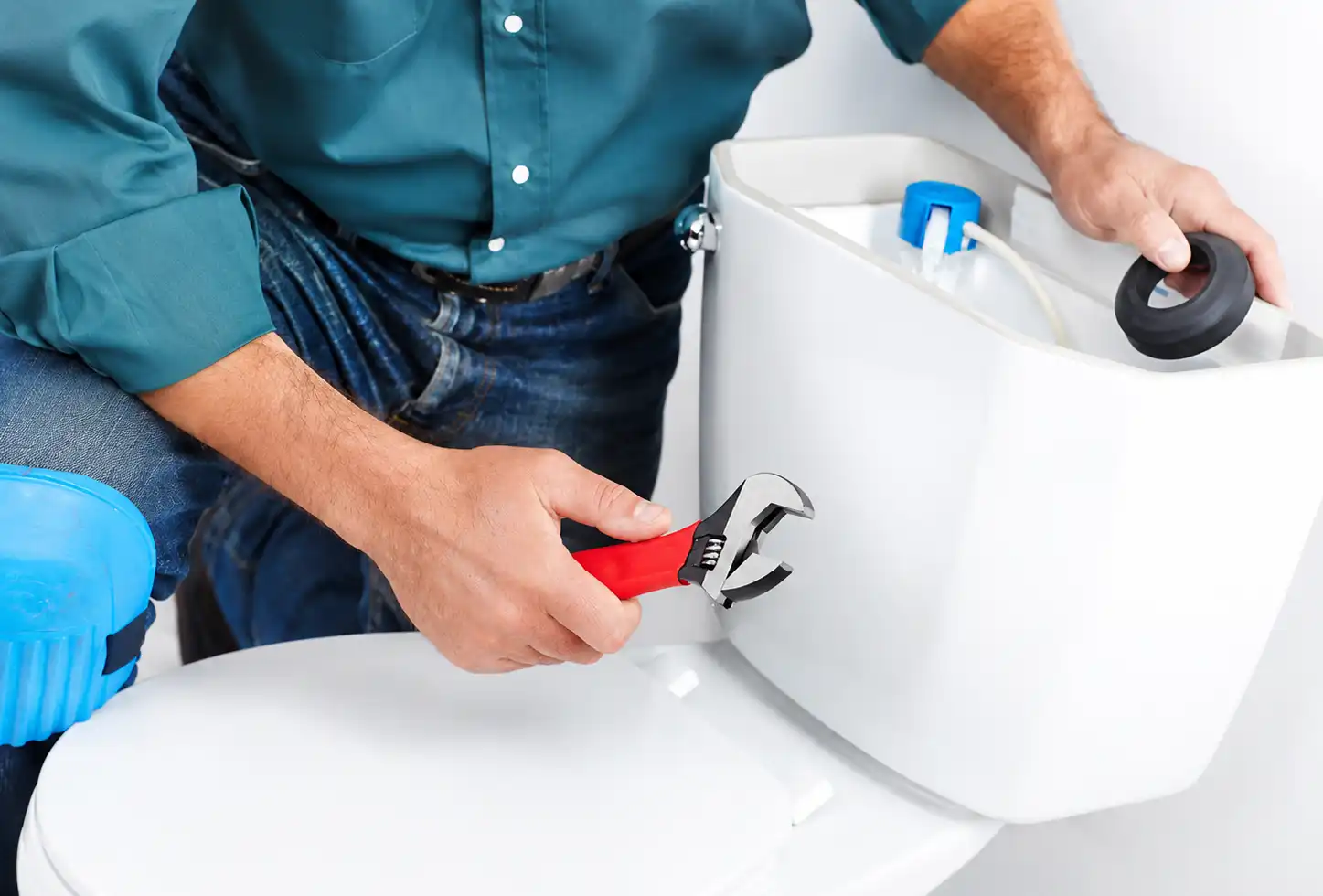
A toilet looks simple. It sits there quietly, asks for very little attention, and spends most of its life being ignored — until something goes wrong. Then suddenly, this humble porcelain chair becomes the most important appliance in the house.
So, do you need a plumber to install a toilet? Technically, not always. Practically, very often yes. A toilet installation may look like a “tighten a few bolts and call it a day” kind of job, but there is more going on behind the scenes. Water supply, drainage, wax seals, floor level, flange height, venting, shut-off valves, and proper sealing all matter. One small mistake can turn a quick weekend project into a wet, expensive, and deeply unpleasant adventure.
For homeowners, the real question is not just “Can I install a toilet myself?” It is “Should I?” Let’s flush out the answer.
At first glance, installing a toilet seems straightforward. Remove the old toilet, place the new one, connect the water line, tighten everything, and enjoy your victory. Simple, right?
Well, toilets are a bit like IKEA furniture with water damage potential. The instructions may look friendly, but one wrong move can cause leaks, rocking, cracked porcelain, sewer gas smells, or damage to the floor.
A proper toilet installation requires the toilet to sit securely on the flange, seal correctly with the wax ring or rubber seal, connect safely to the water supply, and drain without obstruction. If any of these parts are off, the toilet might still appear to work — at least for a while. That is the sneaky part. A bad installation does not always announce itself immediately. Sometimes it waits patiently under the flooring, quietly leaking until the repair bill becomes much more dramatic.
Some homeowners with basic tools and experience can handle a simple toilet replacement. If the existing plumbing is in good condition, the floor is level, the flange is not damaged, and the shut-off valve works properly, the job may be manageable.
You may be able to do it yourself when:
The biggest challenge is not usually placing the toilet. It is recognizing problems before they become bigger problems. A skilled plumber can quickly identify signs of hidden damage, poor drainage, old supply lines, or flange issues. A DIY installer may not notice these details until water starts appearing where water should absolutely not appear.
There are situations where calling a professional is not just wise — it is the adult decision your future self will thank you for. If the toilet is being moved to a new location, if the bathroom is being renovated, or if old plumbing needs to be adjusted, professional help is strongly recommended.
You should call a plumber if:
This is where professional toilet installation in Calgary can make a real difference for homeowners who want peace of mind instead of a weekend full of towels, panic, and emergency hardware store trips.
A toilet installation mistake can be surprisingly expensive. The most common issue is a failed seal. The wax ring or seal between the toilet and drain flange must be placed correctly. If it is compressed unevenly, shifted, or reused, wastewater can leak under the toilet. That leak may not be visible right away because it often spreads under the flooring.
Another common issue is over-tightening the bolts. Porcelain is strong, but it is not invincible. Tighten too much, and you can crack the toilet base or tank. That is a very painful moment because the toilet does not usually forgive you. It just breaks and silently judges your confidence.
Then there is the water supply connection. A loose or poorly connected supply line can cause leaks. An old shut-off valve can fail when touched. A damaged flange can make the toilet rock. A rocking toilet can break the seal. A broken seal can lead to leaks. Leaks can lead to flooring damage. Flooring damage can lead to expensive repairs. And suddenly, the “cheap DIY job” has entered luxury pricing territory.
A professional plumber does more than put the toilet in place. They check the condition of the existing plumbing, inspect the flange, confirm the seal, test for leaks, make sure the toilet is stable, and verify that everything flushes properly.
That experience matters. A plumber can also recommend the right toilet type for your bathroom, especially if there are space limitations, older plumbing, unusual rough-in measurements, or accessibility needs.
For a company like Sobo Plumbing, toilet installation is not just about connecting fixtures. It is about protecting the home from leaks, water damage, poor drainage, and future headaches. The goal is not only to make the toilet work today but to make sure it keeps working properly after the installer has packed up and left.
Experienced plumbing contractors in Calgary can also handle unexpected issues that appear during installation. That is important because plumbing projects have a funny habit of revealing surprises at exactly the wrong moment.
A proper toilet installation usually starts with removing the old toilet safely. Then the plumber inspects the flange, cleans the area, checks the floor, prepares the seal, positions the toilet, secures it correctly, connects the water supply, and tests the flush.
The plumber may also replace old supply lines, repair the flange, install a new shut-off valve, or correct minor alignment issues. These steps help prevent future leaks and improve the reliability of the installation.
This is one of the main differences between a quick installation and a proper installation. A quick job focuses on getting the toilet onto the floor. A proper job focuses on making sure the toilet is sealed, stable, safe, and ready for years of use.
At first, DIY looks cheaper. You only pay for the toilet, a wax ring or seal, a supply line, and maybe a few tools. But the real cost depends on whether everything goes perfectly.
If it does, great. You saved money. If it does not, you may pay for replacement parts, water damage repair, emergency service, flooring repairs, or even a second toilet if the first one cracks during installation. That is when the math starts looking less friendly.
Hiring a plumber costs more upfront, but it reduces risk. You are paying for skill, speed, tools, troubleshooting, and the confidence that the installation was done correctly. For many homeowners, that is worth it — especially when the alternative involves kneeling beside a leaking toilet at 10 p.m. wondering where life went wrong.
If you are replacing a standard toilet and everything is in excellent condition, you might be able to install it yourself. But if there is any uncertainty, damage, old plumbing, movement, leakage, or renovation work involved, hiring a plumber is the smarter choice.
Toilets are used every day, and they connect directly to your home’s water and drainage systems. That makes proper installation important. A toilet is not the best place to test your confidence if you are not comfortable with plumbing.
Sobo Plumbing helps homeowners get reliable, professional toilet installations without the mess, guesswork, or comedy-horror plot twist. Because when it comes to toilets, the best installation is the one you never have to think about again.

