643 Everridge Drive SW T2Y5E7 Calgary, AB
E-mail us: soboplumbing@gmail.com
Monday-Friday 8am-5pm

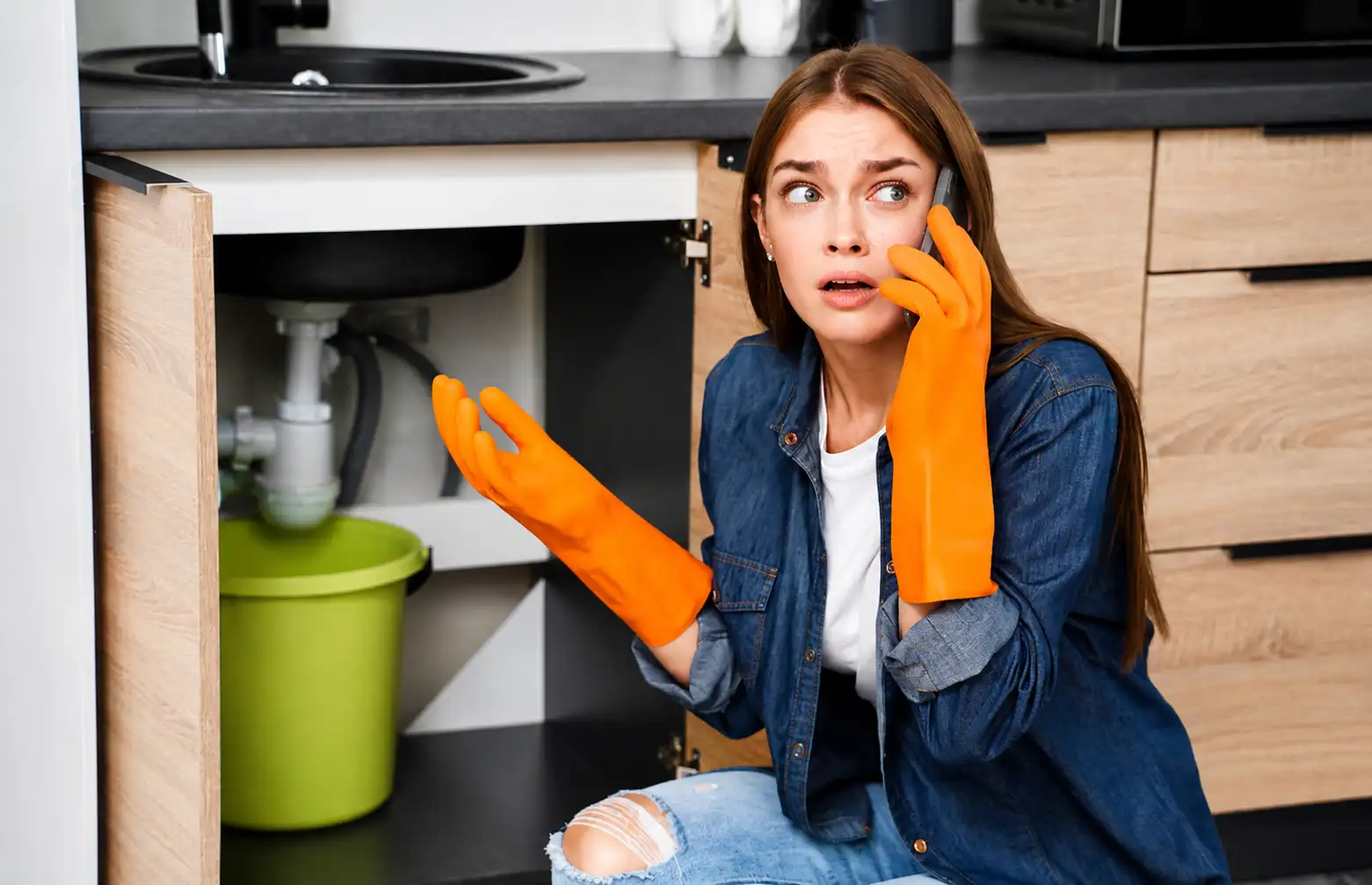
Plumbing has a talent for creating drama at the worst possible time. A pipe never seems to burst on a quiet Tuesday afternoon when everyone is calm, well-rested, and holding a wrench. No, it usually happens late at night, during dinner, before guests arrive, or right after you proudly told someone, “Everything in the house is finally working perfectly.”
The big question is simple: when is a plumbing problem just annoying, and when is it an actual emergency? Knowing the difference can save your home from serious damage, protect your family, and prevent a small issue from turning into a very expensive indoor swimming pool.
For homeowners and business owners, having access to reliable emergency plumbing in Calgary can make all the difference when something goes wrong fast. The key is not to panic, not to start a heroic DIY experiment, and definitely not to assume that a towel on the floor is a long-term strategy.
A burst pipe is one of the clearest signs that you need an emergency plumber immediately. Water can spread quickly through floors, walls, ceilings, insulation, and electrical areas. Even a small break can release a shocking amount of water in a short time.
The first step is to shut off the main water supply if you can do it safely. Then call a professional plumber right away. A burst pipe is not the moment to watch a 14-minute tutorial and hope for the best. By the time the video gets to “Step 2,” your basement may already be auditioning to become a lake.
Professional plumbers have the tools and experience to locate the break, repair the damage, and check whether there are deeper issues in the system. That matters because the visible leak may only be part of the problem.
Some plumbing problems are inconvenient. A sewage backup is both inconvenient and disgusting. If wastewater starts coming up through toilets, tubs, showers, or floor drains, you should treat it as an emergency.
Sewage can contain bacteria and harmful contaminants, so this is not something to clean up casually with a mop and optimism. It can also point to a blocked main sewer line, tree root intrusion, collapsed piping, or another serious issue that requires professional equipment.
Call an emergency plumber if you notice:
A professional can inspect the line, clear the blockage, and identify the cause. This is important because simply clearing a clog without finding the reason behind it may only buy you a little time before the problem returns.
If one tap stops working, it may be a local fixture issue. If the entire property has no running water, that is a much bigger concern. It could be caused by a major leak, frozen pipes, a broken supply line, or another system failure.
No water means you cannot properly cook, clean, shower, flush toilets, or run normal daily operations. For businesses, it can also interrupt service and create health or safety concerns.
Before calling, you can quickly check whether neighbours are affected too. If the issue is only in your property, it is time to bring in a plumber. A professional can determine whether the problem is inside the building, near the main supply, or related to a hidden leak.
Not every leak looks dramatic at first. Sometimes it starts as a stain on the ceiling, a soft spot in the wall, or water collecting under a cabinet. The danger is that water damage often spreads quietly before it becomes obvious.
A small leak can damage drywall, flooring, cabinets, framing, and insulation. It can also create conditions for mould growth. That is why fast action matters.
You should call an emergency plumber when a leak is active, spreading, or located near electrical systems. Even if the water flow seems manageable, the source may be difficult to identify without proper tools. A professional can find the origin, stop the leak, and help prevent repeat damage.
A flooded basement is one of those moments when people suddenly develop impressive speed. Whether it is caused by a failed sump pump, sewer backup, broken pipe, or heavy water intrusion, fast action is critical.
Standing water can damage personal belongings, flooring, walls, appliances, and mechanical systems. If water is near electrical panels, outlets, or appliances, safety becomes the top priority. Do not walk through water if there may be electrical danger.
An emergency plumber can help identify where the water is coming from and stop the source. If the issue involves a sump pump, drainage system, or main line backup, professional diagnosis is especially important.
A cold shower is unpleasant. A leaking or failing water heater can be much more serious. If your water heater is leaking, making loud popping sounds, producing rusty water, or failing completely, it may need urgent attention.
A leaking tank can release a large amount of water and cause property damage. Strange noises may indicate sediment buildup or pressure issues. No hot water may be especially difficult for families, rental properties, restaurants, salons, clinics, or other businesses that rely on hot water every day.
Call a plumber urgently if you notice:
Water heaters involve water, pressure, gas or electricity, and temperature control. That combination is not ideal for guesswork. A licensed plumber can inspect the unit safely and recommend repair or replacement if needed.
Canadian winters are not exactly gentle. When temperatures drop, pipes in exterior walls, garages, crawl spaces, and poorly insulated areas can freeze. A frozen pipe can block water flow, but the bigger risk is that it may burst as pressure builds.
If you turn on a tap and only a trickle comes out during freezing weather, you may be dealing with a frozen line. You should call a plumber quickly, especially if you cannot locate the frozen section or if the pipe is inaccessible.
Avoid using open flames or extreme heat to thaw pipes. That can damage the pipe or create a fire hazard. Professionals use safer methods and can also recommend insulation or prevention steps to reduce the risk of future freezing.
Some minor plumbing tasks are reasonable for homeowners, such as using a plunger on a simple toilet clog or tightening a loose connection. But emergency plumbing is different. The risk of making the problem worse is much higher.
DIY repairs can be risky when the issue involves hidden pipes, main sewer lines, water heaters, major leaks, gas-connected appliances, or anything near electrical components. A quick “temporary fix” can sometimes create more damage than the original problem.
There is also the issue of diagnosis. Plumbing systems are connected. A clogged drain may be a symptom of a deeper blockage. A ceiling leak may come from a bathroom, roof-adjacent pipe, or supply line hidden far from the visible stain. Professionals do not just fix what is obvious — they find the cause.
When a plumbing emergency happens, you need more than someone with tools. You need a team that understands urgency, safety, and proper repair. Sobo Plumbing provides professional plumbing services for homeowners and businesses, helping customers deal with stressful situations quickly and correctly.
Calling a professional early can reduce damage, protect your property, and save money in the long run. It also gives you peace of mind because the issue is handled by someone who knows what to look for.
Plumbing emergencies are stressful enough. You should not have to become a part-time pipe detective while water is spreading across the floor.
So, when should you call an emergency plumber? The simple answer is this: call when there is active water damage, sewage backup, no water, a burst pipe, flooding, a serious leak, a failing water heater, or any situation that could quickly become unsafe or expensive.
Plumbing problems rarely fix themselves. In fact, they often behave like they are trying to get promoted from “minor inconvenience” to “major disaster.” Acting quickly is the smartest move.
When in doubt, it is better to call a professional and find out the issue is manageable than to wait and discover your floor has developed a new personality. Sobo Plumbing is there to help when plumbing problems become urgent, messy, or just too suspicious to ignore.

