643 Everridge Drive SW T2Y5E7 Calgary, AB
E-mail us: soboplumbing@gmail.com
Monday-Friday 8am-5pm

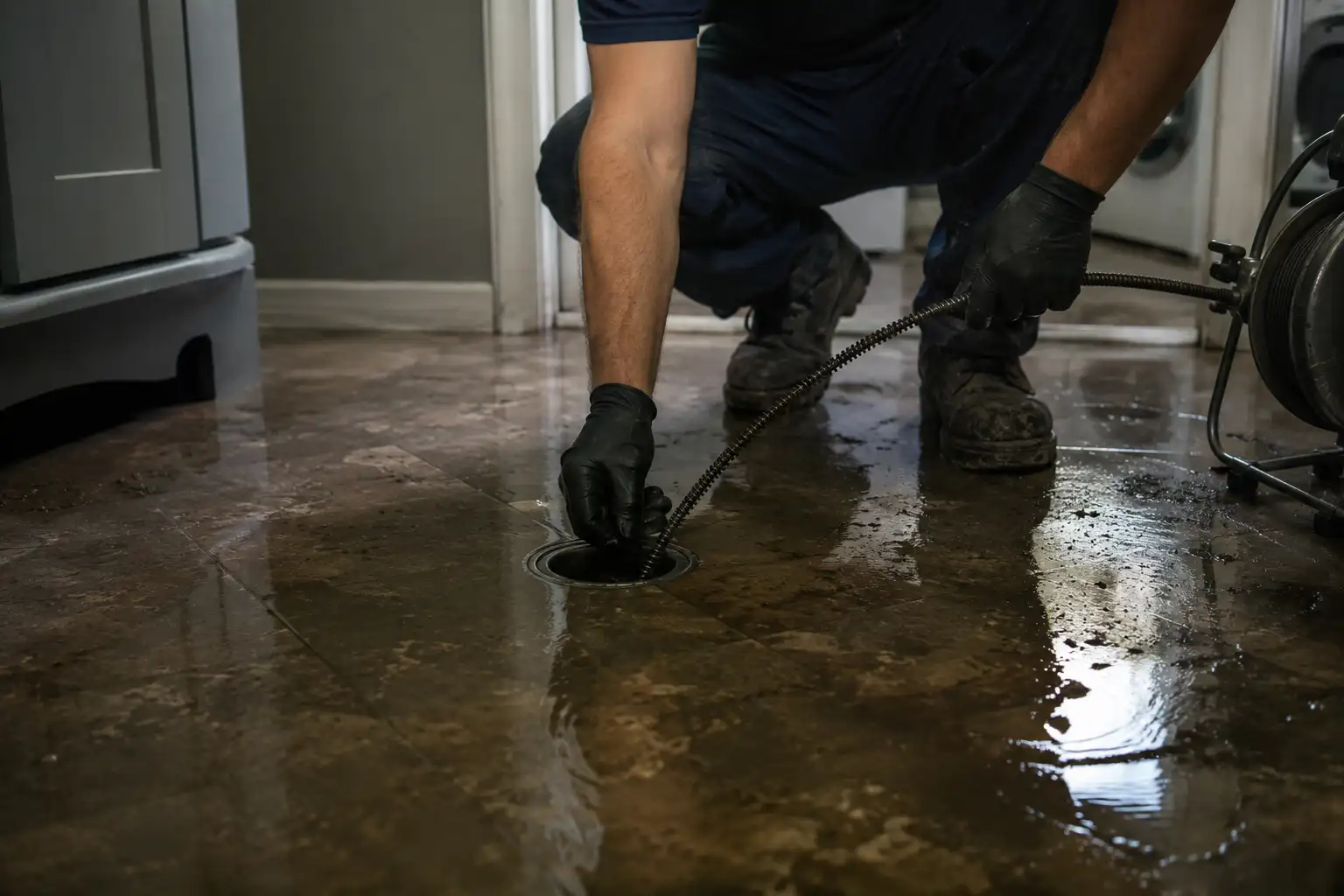
A slow-draining sink might seem like a minor inconvenience. A toilet that gurgles occasionally may even sound a little funny – at least until it starts sounding like a swamp creature is trying to communicate from below.
However, when several drains begin behaving strangely at the same time, the problem may be much bigger than a small clog in one pipe. These symptoms can indicate that your main sewer line is clogged.
The main sewer line carries wastewater away from your home. Every toilet flush, shower, dishwasher cycle, and washing machine load depends on this pipe. When the line becomes blocked, wastewater has nowhere to go. Instead of quietly leaving your property, it may begin backing up through drains and plumbing fixtures.
Recognizing the warning signs early can help you avoid unpleasant odours, water damage, expensive repairs, and the deeply uncomfortable experience of finding out what happens when a sewer line finally gives up.
One clogged drain does not always mean your main sewer line is blocked. If only the kitchen sink is draining slowly, food particles, grease, or soap residue may be trapped in that particular pipe.
The situation becomes more concerning when several fixtures are affected at once. You may notice that the kitchen sink, bathtub, shower, and toilet are all draining more slowly than usual.
Because these fixtures connect to the same main drainage system, simultaneous problems often point to a blockage farther down the line. This is especially true when the affected drains are located in different parts of the house.
Common fixtures that may be affected include:
When multiple drains join the rebellion, it is usually not a coincidence. Your plumbing system may be trying to send you a message, and unfortunately, it does not know how to send a polite email.
One of the clearest signs of a clogged main sewer line is water appearing in one fixture when you use another.
For example, you may flush the toilet and notice water rising in the bathtub. You may run the washing machine and see water bubbling through a floor drain. You might also use the bathroom sink and hear the nearby toilet begin to gurgle.
This happens because wastewater cannot move freely through the sewer line. As more water enters the drainage system, pressure builds behind the blockage. The water then searches for another exit, usually through the lowest available drain.
Any unexpected movement of water between fixtures should be taken seriously. Wastewater that comes back into your home may contain bacteria and other contaminants, so the affected area should not be treated like an ordinary puddle.
Toilets are not known for their conversation skills. If yours begins gurgling, bubbling, or making unusual noises when nobody is using it, air may be trapped inside the drainage system.
A blockage in the main sewer line can prevent air and water from flowing normally. As air moves around the obstruction, it may escape through the toilet bowl, producing bubbles or strange sounds.
Gurgling can also occur after you use another plumbing fixture. For instance, the toilet may make noise while the shower is running or when the washing machine drains.
An occasional small bubble may not indicate a serious emergency. Regular gurgling, especially when combined with slow drains or backups, deserves professional attention.
A qualified Calgary plumbing company can inspect the system and determine whether the noise is coming from a local drain problem, a ventilation issue, or a blockage in the main sewer line.
A properly functioning sewer system should keep unpleasant gases away from your living space. If you smell sewage around drains, in the basement, near a floor drain, or outside your home, something may be wrong.
A clogged sewer line can trap wastewater and organic material inside the pipe. As this material sits, it produces strong odours that may travel back through drains.
The smell may be especially noticeable in lower areas of the home because basement drains are often closer to the main sewer line. Outdoor odours near the sewer cleanout or around unusually wet areas of the yard can also indicate a drainage problem.
Do not attempt to cover the smell with candles, sprays, or enough air freshener to make the house smell like an artificial pine forest. Odours are symptoms, not the actual problem.
Basement floor drains are often among the lowest drainage points in a home. When a main sewer line becomes clogged, wastewater may first appear through these drains.
You might notice a small amount of standing water, dampness around the drain, or a larger backup after someone showers, flushes a toilet, or runs an appliance.
Because the problem can quickly become more serious, avoid using large amounts of water until the line has been inspected. Continuing to shower, wash clothes, or run the dishwasher may send even more wastewater toward a pipe that is already blocked.
Professional sewer cleaning in Calgary can remove the obstruction, restore normal drainage, and help identify whether the line has additional damage.
The amount of water in a toilet bowl should remain relatively consistent. If the level is suddenly unusually high, very low, or changes throughout the day, pressure inside the drainage system may be affecting the toilet.
A clogged sewer line can create changes in airflow and water movement. The toilet bowl may lose water, fill higher than normal, or seem close to overflowing after an ordinary flush.
Although changing water levels can have other causes, this symptom becomes more suspicious when it appears alongside slow drains, gurgling noises, or water backing up elsewhere.
Not every sewer line problem stays inside the house. If the underground pipe is blocked, cracked, or damaged, wastewater may leak into the surrounding soil.
Watch for changes such as:
Extra-green grass may initially look like a landscaping success. Unfortunately, your lawn probably has not discovered a premium fertilizer. Escaping wastewater can provide nutrients to the grass while creating a much more serious sanitation and property problem underground.
Main sewer line blockages can develop for several reasons. Older pipes may be affected by corrosion, shifting soil, cracks, or collapsed sections. Tree roots can enter through small openings and continue growing inside the pipe.
Household habits can also contribute to blockages. Cooking grease can cool and harden inside the drainage system. Wipes, paper towels, hygiene products, and other materials may become trapped even when the packaging claims they are flushable.
Over time, these materials collect additional debris and restrict the flow of wastewater. Eventually, the pipe may become completely blocked.
Homeowners often try plungers, chemical drain cleaners, or rental drain snakes before contacting a plumber. These methods may help with a small clog located near an individual fixture, but a main sewer line blockage is different.
Chemical cleaners may damage older pipes and rarely remove tree roots, heavy grease buildup, or solid obstructions. A drain snake can become stuck, damage the pipe, or create a temporary opening without fully clearing the blockage.
More importantly, recurring clogs may be caused by structural damage. Removing some debris will not repair a cracked, misaligned, or collapsed pipe.
Professional plumbers have equipment designed to locate and diagnose the problem. Depending on the situation, they may use a sewer camera, professional drain auger, or high-pressure water cleaning equipment. This allows them to treat the cause instead of simply pushing the blockage slightly farther down the line.
Contact a professional when multiple drains are affected, sewage is backing up, strong odours are present, or the same clog keeps returning.
You should also stop using water whenever wastewater begins entering the home. Avoid flushing toilets, running appliances, or taking showers until the drainage system has been assessed.
Prompt service can help reduce contamination, flooring damage, drywall damage, mould growth, and repair costs. It can also protect your household from the kind of plumbing surprise that nobody wants to discover before breakfast.
A clogged main sewer line rarely fixes itself. The symptoms may begin with a slow drain or an occasional gurgle, but they can quickly develop into a serious backup.
Pay attention when several drains slow down, water moves between fixtures, sewage odours appear, or the basement floor drain becomes wet. These warning signs provide an opportunity to address the issue before wastewater causes extensive damage.
Sobo Plumbing can inspect your sewer line, locate the source of the blockage, and recommend an effective solution. Calling an experienced plumber early is safer, cleaner, and usually more affordable than waiting for the plumbing system to turn your basement into a very unpopular indoor swimming pool.

