643 Everridge Drive SW T2Y5E7 Calgary, AB
E-mail us: soboplumbing@gmail.com
Monday-Friday 8am-5pm

Clogged drains are one of the most common household problems. One day everything works perfectly, and the next day your sink starts draining slower than a sleepy turtle on a Sunday morning. At that point, many homeowners begin asking a practical question — do you need a plumbing license to clean drains?
The short answer is: not always. But the longer answer is far more interesting, and it involves understanding what type of drain cleaning is being done, how plumbing regulations work, and why professional drain specialists exist in the first place.
Let’s take a closer look.
Drain cleaning can mean very different things depending on the situation. Sometimes it’s simply removing hair from a bathroom drain. Other times it involves professional equipment capable of clearing tree roots from deep inside sewer lines.
Here are a few common types of drain cleaning:
The first category is something most homeowners can try themselves. The others quickly move into the territory of specialized tools and professional experience.
That’s where licensing and trained plumbers enter the conversation.
In many places, simple drain cleaning itself does not legally require a plumbing license if it’s performed as minor maintenance. However, the moment the job involves altering plumbing systems, removing fixtures, replacing pipes, or accessing sewer connections, regulations often require a licensed professional.
Why? Because plumbing systems are more complex than they appear.
Improper work can cause:
Municipal plumbing regulations exist to prevent these issues. Licensed plumbers must complete technical training, pass examinations, and understand building codes designed to protect homes and public health.
Drain cleaning may look simple on the surface, but deeper blockages frequently require professional diagnostics and specialized tools.
A slow drain is rarely just a slow drain.
It might be caused by:
Home remedies often treat the symptom but not the cause.
For example, chemical cleaners might temporarily dissolve some buildup, but they can also weaken older pipes and damage seals. That small clog may disappear for a week — then return stronger than ever.
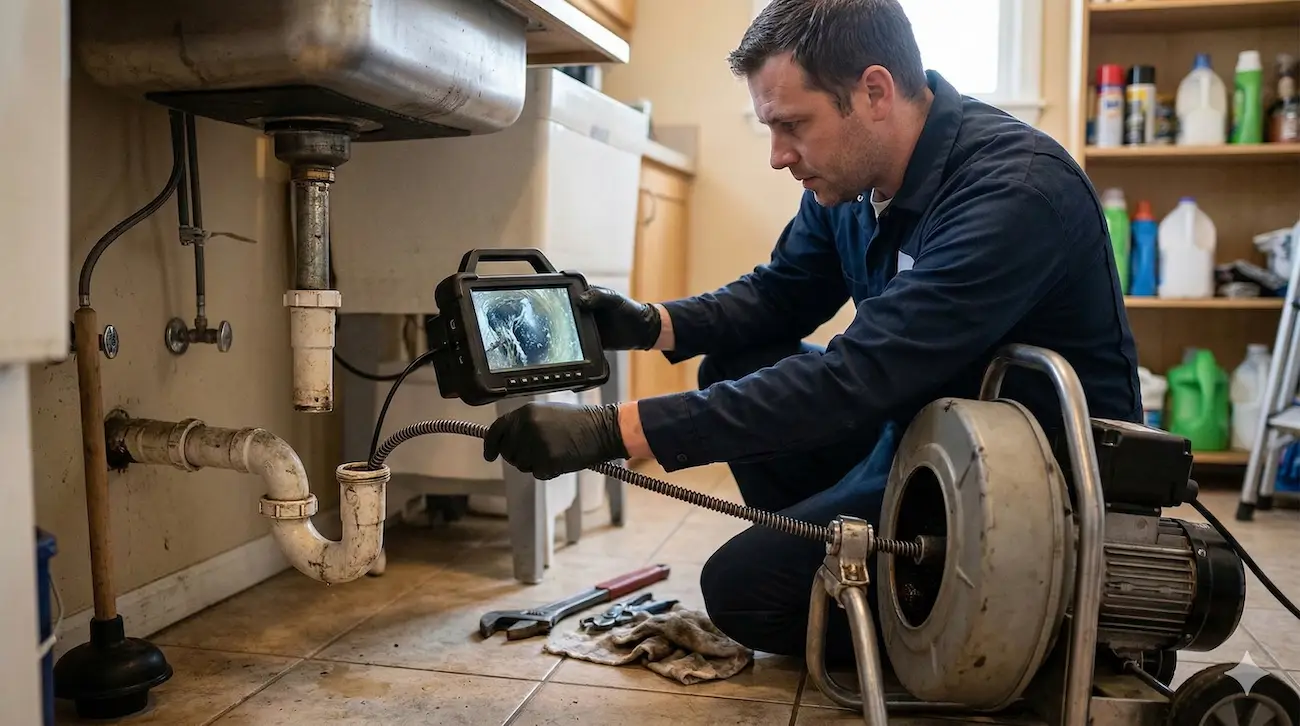
Professional technicians approach the issue differently. They diagnose the underlying problem using tools such as inspection cameras and mechanical equipment designed specifically for plumbing systems.
This is why many homeowners eventually turn to specialists when dealing with a Calgary clogged drain.
Professional drain cleaning is a completely different experience from the typical plunger-and-prayer method.
Experienced plumbers rely on equipment such as:
These tools require both training and experience. In the wrong hands they can damage pipes just as easily as they clear them.
Think of it like dental work — technically anyone could buy dental tools online, but very few people want an amateur performing surgery on their teeth.
The same logic applies to plumbing systems hidden behind your walls.
DIY drain cleaning can seem attractive because it appears quick and inexpensive. However, it often carries hidden risks.
Some of the most common DIY mistakes include:
Many professional plumbers report that a significant portion of service calls happen after someone attempted to fix the issue themselves.
In other words — what began as a minor clog sometimes turns into a much larger repair.
That doesn’t mean homeowners should never attempt basic maintenance. Simple steps like removing visible debris or using a plunger are perfectly reasonable.
But once the problem goes beyond surface level, professional help usually saves both time and money.
Professional plumbers do far more than simply unclog pipes.
They provide:
Drain systems are part of a much larger plumbing network. Fixing the visible problem without understanding the entire system can lead to recurring issues.
A trusted plumbing service in Calgary AB focuses on both immediate solutions and long-term reliability, ensuring that the same clog doesn’t return next month.
In many cases, professional cleaning can even extend the lifespan of pipes by removing corrosive buildup.
Some drain problems clearly signal that it’s time to bring in experienced help.
Watch for these warning signs:
These symptoms often indicate deeper sewer line issues rather than simple surface blockages.
Ignoring them can eventually lead to major plumbing failures.
So — do you need a plumbing license to clean drains?
For simple household maintenance, usually not. Anyone can try basic methods like plunging or removing debris from a trap.
However, real drain problems often extend far beyond what’s visible at the surface. Once specialized tools, pipe access, or sewer line work becomes necessary, trained professionals are the safest and most effective solution.
Drain systems are essential to the comfort and safety of a home. Treating them with the same care you would give electrical systems or structural components simply makes sense.
And while DIY fixes can occasionally work, there’s a reason professional plumbers exist — they solve problems quickly, safely, and with far fewer surprises along the way.

