643 Everridge Drive SW T2Y5E7 Calgary, AB
E-mail us: soboplumbing@gmail.com
Monday-Friday 8am-5pm

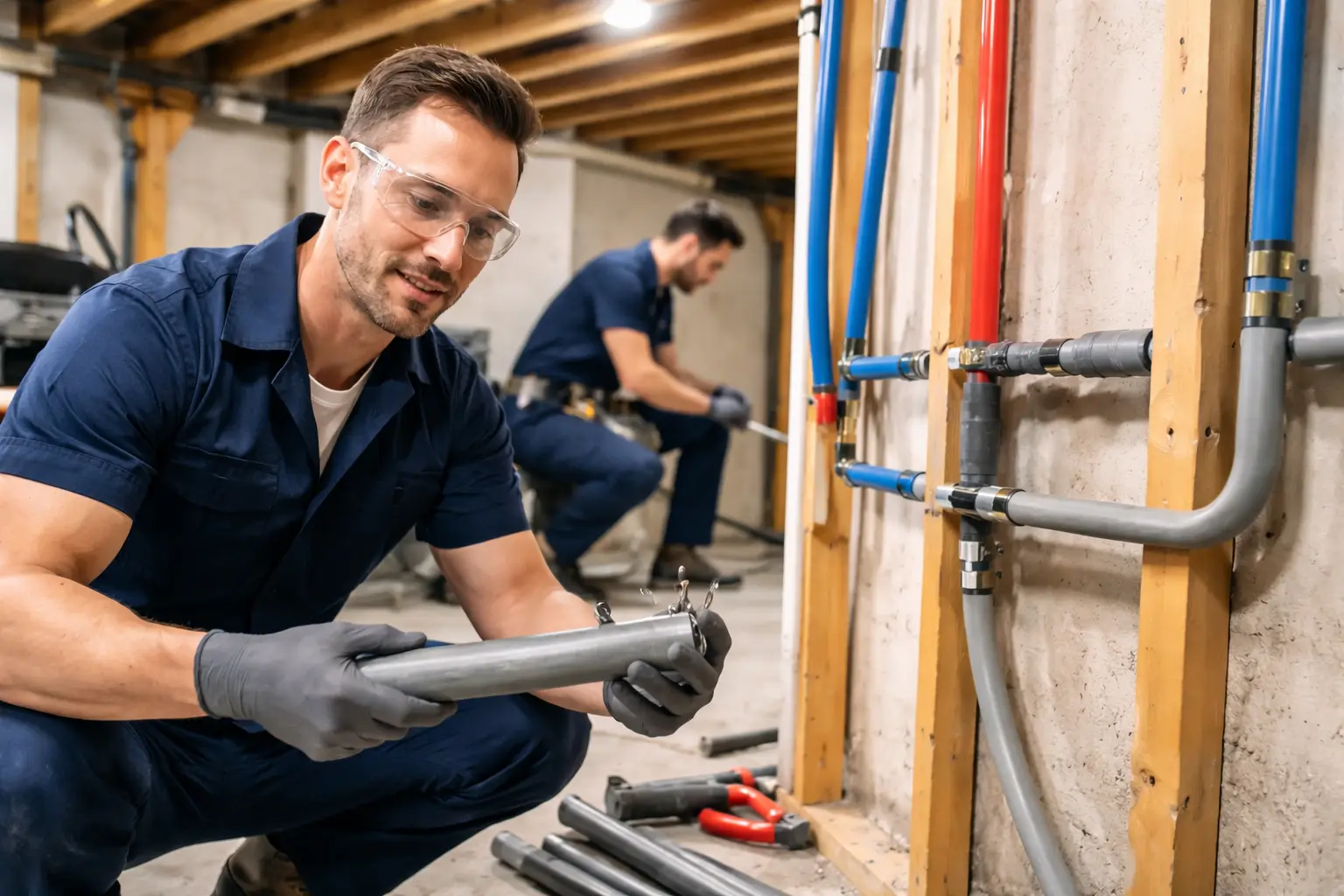
If your home was built between the late 1970s and the mid-1990s, there’s a strong chance it may contain polybutylene plumbing – commonly known as Poly B. Back in the day, it was considered a budget-friendly innovation. It was flexible, easy to install, and faster than traditional copper. Builders appreciated it. Homeowners rarely questioned it.
Decades later, however, Poly B has developed a less-than-ideal reputation. The material can degrade over time due to exposure to chlorine in municipal water. Instead of wearing down from the outside, it deteriorates internally. That means pipes may look perfectly fine until one day they’re not. Small cracks form, fittings weaken, and leaks appear – usually at the most inconvenient moment.
This is why poly B pipe replacement has become one of the most common proactive plumbing upgrades for homeowners who want to avoid unexpected water damage and long-term structural issues.
Before planning any replacement, it’s important to confirm whether your plumbing system actually contains Poly B. Here are a few common indicators:
In some homes, piping may be hidden behind drywall. A professional inspection is often the fastest and most accurate way to confirm.
Technically speaking, it’s possible. Practically speaking, it’s a complex and disruptive project.
Replacing Poly B is not a simple matter of removing one pipe and inserting another. The process involves opening walls, rerouting water lines, cutting and reconnecting multiple supply branches, working around electrical wiring, and ensuring the final installation meets plumbing codes.
Even experienced DIY enthusiasts often underestimate the scope. One improperly secured fitting or poorly routed line can result in leaks, water damage, or expensive repairs down the road.
That’s why many homeowners choose professional poly B pipe replacement in Calgary instead of turning it into a weekend experiment.
To better understand the scale of the work, here’s how professionals typically approach a full Poly B replacement project.
The process begins with a full system evaluation. Technicians determine:
Careful planning reduces disruption and prevents unnecessary drywall removal.
Most modern replacements use one of two materials:
PEX is often preferred because it requires fewer fittings and can be routed more efficiently through existing framing. A professional plumber will recommend the best option based on the layout and water pressure requirements of the home.
Before removal begins, the main water supply is shut off and the system is drained. This step protects the home from accidental flooding during pipe removal.
Although it sounds simple, proper isolation of the plumbing system is critical for safety and efficiency.
Plumbers strategically open walls and ceilings to access piping. The goal is to remove as much Poly B as possible while minimizing structural disruption.
Experienced teams know how to work cleanly and efficiently, reducing the amount of drywall repair required afterward.
New piping is installed according to modern plumbing standards. Lines are secured properly, fittings are tightened and tested, and water flow paths are optimized.
Attention to detail here ensures long-term durability. Proper spacing, support brackets, and pressure-balanced routing all contribute to system reliability.
After installation, the system undergoes pressure testing to verify there are no leaks.
Water service is gradually restored, fixtures are checked, and the entire system is reviewed to ensure everything operates correctly and meets current code requirements.
Every home is different, but most single-family homes can be completed within a few days.
Professional teams coordinate the work so water service is restored as quickly as possible. In many cases, homeowners have running water at the end of each workday.
Replacing an entire plumbing system requires experience, planning, and specialized tools. Professional plumbers bring:
Insurance companies and buyers often view Poly B as a liability. Replacing it proactively strengthens the overall value and appeal of a property.
While the upfront cost varies depending on home size and complexity, the investment is significantly lower than the cost of repairing water damage caused by a burst pipe.
Water damage doesn’t just affect floors and walls – it can impact insulation, framing, electrical systems, and air quality. Preventative replacement offers long-term protection.
When upgrading something as critical as your water supply system, experience matters.
Sobo Plumbing approaches each project with structured planning, clear communication, and precise execution. Their team understands how to manage Poly B replacement efficiently while minimizing disruption to daily life.
Instead of waiting for a failure to occur, homeowners can make a proactive decision that protects their investment and restores confidence in their plumbing system.
Poly B piping was once seen as a smart solution. Time has proven otherwise. Materials evolve, standards improve, and modern systems offer far greater durability and reliability.
If your home still contains Poly B, addressing it now prevents larger issues later. While online tutorials may make the process look manageable, full-system replacement is a detailed, technical project that benefits from professional expertise.
Upgrading your plumbing isn’t just maintenance – it’s protection for your home, your property value, and your peace of mind.

