643 Everridge Drive SW T2Y5E7 Calgary, AB
E-mail us: soboplumbing@gmail.com
Monday-Friday 8am-5pm

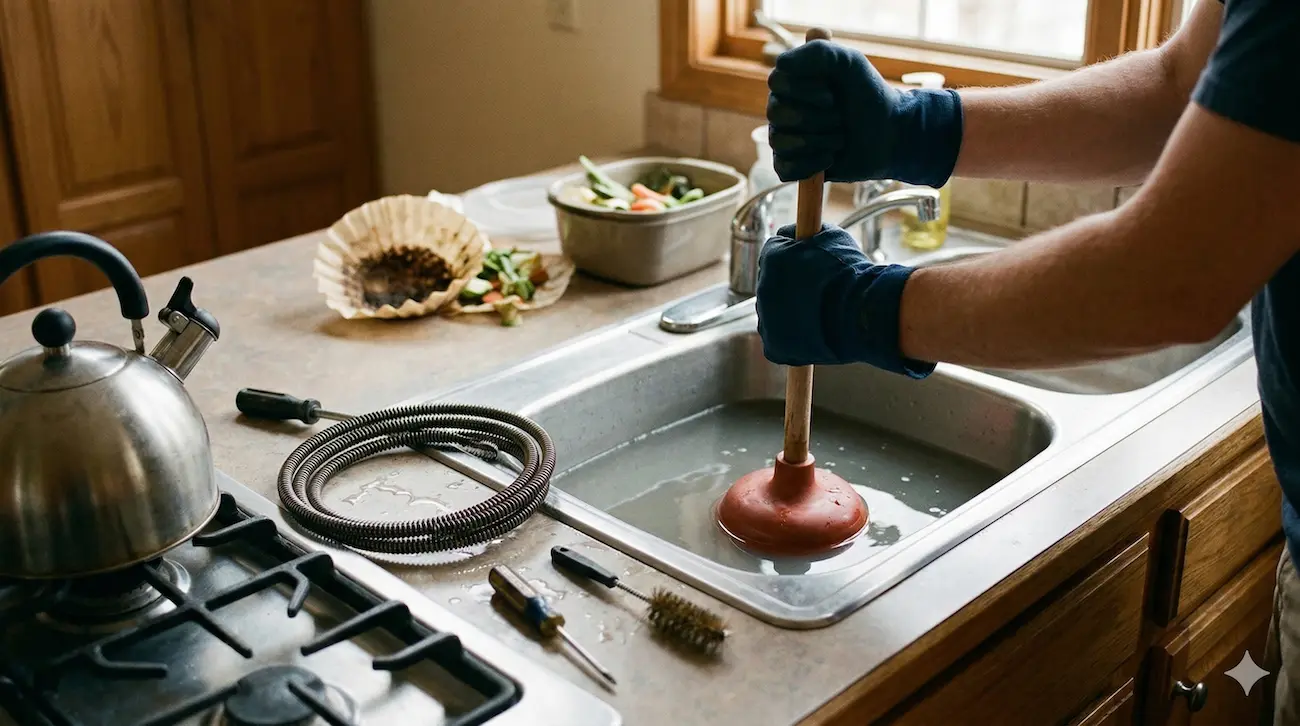
A blocked drain always seems to appear at the worst possible moment. You’re washing dishes after dinner, taking a relaxing shower, or brushing your teeth before bed — and suddenly the water stops flowing. Instead of disappearing down the drain like it should, it begins forming a suspicious little lake around your feet.
At that moment, many homeowners ask the same question: can I fix this myself, or is it time to call a professional?
The truth is somewhere in the middle. Some minor clogs can be handled with a few simple techniques, while others require professional tools and expertise. Understanding the difference can save you time, money, and potentially a plumbing disaster.
Let’s take a closer look at how to clean a blocked drain — and when it’s best to leave the job to the experts.
Before fixing the problem, it helps to understand what causes it.
Drains are designed to carry water away efficiently, but they’re not meant to handle everything we send down them. Over time, various materials accumulate inside pipes and gradually restrict water flow.
Common causes of drain blockages include:
These materials slowly stick to the pipe walls, forming a sticky trap for anything else that comes along. Eventually, water can barely squeeze through — and that’s when the blockage becomes noticeable.
Sometimes the clog is close to the drain opening and easy to remove. Other times, it forms deeper in the plumbing system where household tools struggle to reach.
Clogs rarely happen instantly. Your plumbing usually gives you a few warning signs before the situation turns into a full blockage.
Watch for these early indicators:
If you notice these symptoms early, cleaning the drain can be much easier. Ignoring them often leads to a complete blockage — and a much bigger headache.
The simplest solution is often the most effective.
Boiling water can dissolve grease, soap buildup, and light organic material stuck inside pipes. It works especially well for kitchen sink blockages caused by oils or fats.
Here’s how to try it:
This method is surprisingly effective for minor clogs and costs nothing to try.
However, if the water still drains slowly, it’s time to move to the next step.
Many people own a plunger, but surprisingly few use it correctly.
A plunger works by creating pressure that dislodges the blockage inside the pipe. When used properly, it can clear many household clogs within minutes.
Follow these steps:
The key is maintaining a tight seal. Without it, the plunger simply moves water around instead of creating the pressure needed to break up the clog.
If the blockage loosens, you’ll hear a satisfying “gulp” as water begins flowing again.
Sometimes the blockage isn’t deep in the pipes at all — it’s sitting inside the P-trap, the curved pipe beneath your sink.
The trap is designed to hold water that prevents sewer gases from entering your home. Unfortunately, it also collects debris over time.
To clean it:
This process often reveals the culprit — hair, food scraps, or mysterious sludge that no one remembers putting down the drain.
Once cleaned, many drains return to perfect working condition.
If the clog sits deeper inside the pipe, a drain snake (also called an auger) may help.
This flexible tool is inserted into the drain and pushed forward until it reaches the blockage. The rotating tip grabs or breaks apart the obstruction.
Basic steps include:
Drain snakes work well for hair clogs in bathroom drains and certain kitchen sink blockages.
That said, they have limits. If the clog is far inside the plumbing system or caused by grease buildup along pipe walls, the snake may not solve the problem completely.
There’s a point where home solutions simply run out of effectiveness.
If you notice these signs, professional help is usually the smartest option:
These symptoms often indicate deeper issues inside the plumbing system — sometimes even in the main sewer line.
At that stage, specialized equipment is required.
Professional plumbers use advanced tools designed specifically for tough blockages.
Common methods include:
These techniques clean the entire pipe rather than just punching a small hole through the blockage. The result is a longer-lasting solution and healthier plumbing overall.
This is why many homeowners choose to work with a reliable plumbing company in Calgary instead of repeatedly fighting the same clog.
Experienced technicians can identify the real cause of the problem and fix it properly the first time.
Cleaning drains is useful, but preventing blockages is even better.
A few simple habits can dramatically reduce plumbing problems:
These small steps help keep pipes clear and reduce the chances of sudden plumbing emergencies.
A blocked drain can be frustrating, messy, and inconvenient — but it doesn’t have to ruin your day.
Simple methods like boiling water, plunging, or cleaning the trap can often solve minor clogs. However, when blockages become stubborn or frequent, professional equipment and expertise make a huge difference.
Calling experienced plumbers not only fixes the immediate issue but also protects your plumbing system from bigger problems down the road.
After all, when water refuses to go where it’s supposed to, having the right experts on your side can turn a potential disaster into a quick and simple solution.

