643 Everridge Drive SW Calgary, AB T2Y 5E7
E-mail us: soboplumbing@gmail.com
Open 24 hours

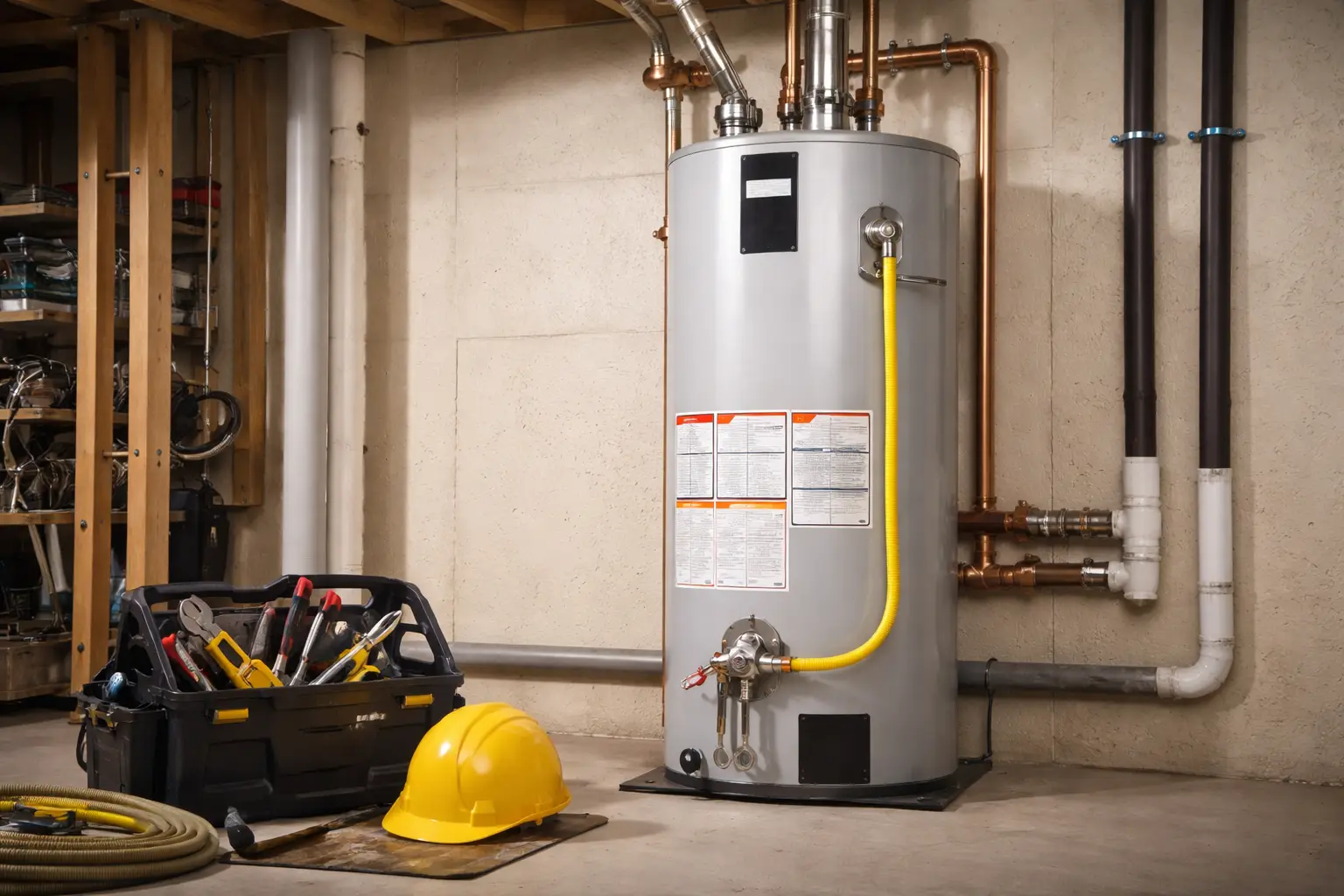

Hot water is one of those things you only notice when it’s gone. One minute you’re enjoying a perfectly warm shower, the next you’re performing what can only be described as an involuntary cold-plunge experiment. That sudden shock often leads to one big question: how long does a gas water heater last, anyway?
Let’s break it down in a clear, practical, and slightly humorous way — with a Canadian perspective and a gentle reminder that some things in life are better left to professionals.
On average, a gas water heater lasts about 8 – 12 years.
Some give up earlier, some push past their expected retirement like stubborn overachievers, but most fall squarely in that range.
The real answer, however, depends on several factors: water quality, usage habits, maintenance, installation quality, and yes — a bit of luck.
If your unit is approaching its tenth birthday, it’s officially living on borrowed time.
A gas water heater works hard every single day. It heats, cools, expands, contracts, and deals with minerals that sneak in through the water supply. Over time, all of this takes a toll.
The main reasons gas water heaters fail include:
Think of it like a car engine that runs 24/7 without oil changes. It might survive for a while, but the ending is predictable.
Your water heater usually gives warning signs before it completely quits — if you know what to look for.
Common red flags include:
Ignoring these signs doesn’t make them go away. It just increases the odds that the failure happens on a Sunday night when guests are visiting.
Yes. A big one.
A well-maintained gas water heater can easily outlive a neglected one by several years. Regular flushing removes sediment buildup, which otherwise acts like an insulating blanket between the burner and the water. That forces the heater to work harder, wear faster, and fail sooner.
Maintenance that extends lifespan includes:
Many homeowners skip this because the heater is “out of sight, out of mind.” Unfortunately, the water heater never forgets.
Here’s a truth that doesn’t get enough attention: a poorly installed water heater may never reach its expected lifespan.
Incorrect venting, improper gas pressure, wrong tank size, or sloppy connections can shave years off a unit’s life. In colder climates like Alberta, mistakes are even more expensive because the system works harder year-round.
This is why professional Calgary water heater installation isn’t just about convenience — it’s about longevity, safety, and efficiency.
A common rule of thumb is the 50 percent rule:
Replacement usually makes more sense.
Newer gas water heaters are more efficient, quieter, and better insulated. They heat water faster and waste less energy, which shows up as lower utility bills over time.
Holding onto an old unit purely out of emotional attachment is rarely a good financial strategy.
Traditional tank-style gas water heaters last 8 – 12 years.
Gas tankless systems often last 15 – 20 years with proper maintenance.
Tankless units cost more upfront, but they heat water on demand, reduce standby heat loss, and take up less space. Whether they make sense depends on household size, usage patterns, and budget.
Either way, proper installation and servicing are what truly determine how long the system survives.
Gas appliances are not a “watch a video and try it” project.
Improper DIY work can lead to:
Beyond safety concerns, mistakes often shorten the lifespan of the heater itself. What seems like saving money today can turn into a very expensive lesson tomorrow.
Professional technicians don’t just install equipment — they size it correctly, ensure code compliance, and make sure everything runs efficiently from day one.
A gas water heater doesn’t fail politely. It fails suddenly, loudly, and usually at the worst possible time. Knowing that the average lifespan is 8 – 12 years allows homeowners to plan ahead instead of reacting in panic.
Regular maintenance, professional installation, and timely replacement can save money, prevent damage, and keep hot showers hot — which is really what this is all about.
If your water heater is aging, noisy, or showing warning signs, treating it proactively is always better than learning its limits the hard way.

