643 Everridge Drive SW Calgary, AB T2Y 5E7
E-mail us: soboplumbing@gmail.com
Open 24 hours

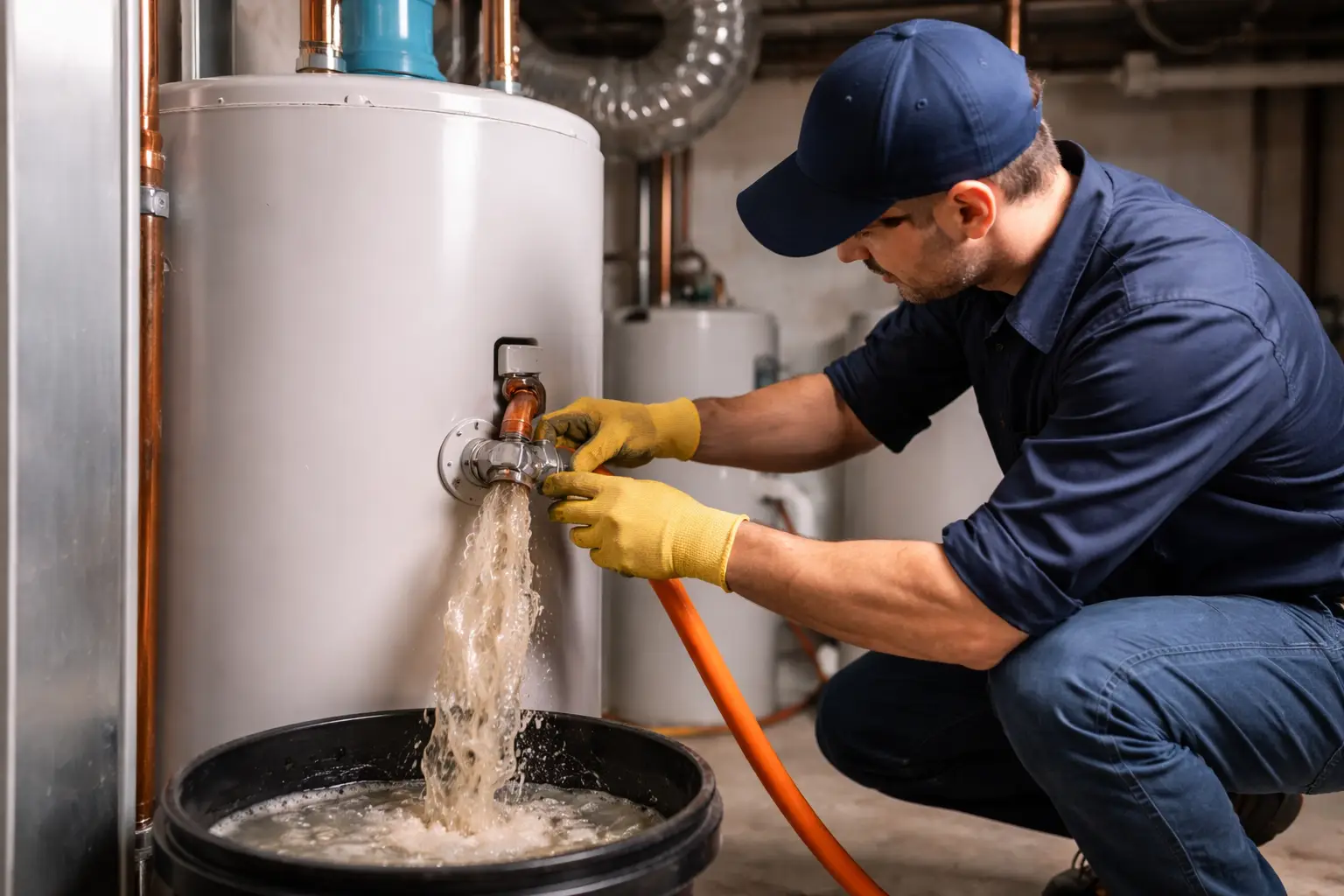
If you type, do I need to flush the hot water heater? into Google, you’ll quickly go down a rabbit hole of heated debates, horror stories about “exploding tanks,” and confident comments like “I’ve never flushed mine in 20 years and it’s fine.” As usual, the truth is somewhere in the middle. Let’s break it down in a calm, practical, and slightly humorous way: do you really need to flush your water heater, why should you care, and what actually happens if you don’t.
Flushing a water heater is simply the process of removing sediment that settles at the bottom of the tank over time. This sediment is made up of minerals, sand, and other tiny particles naturally found in water. In Canada – and especially in Alberta – tap water is far from distilled. It contains calcium, magnesium, and other minerals that don’t disappear when water is heated.
Think of it this way: if you’ve ever looked inside an old kettle that’s never been descaled, you already understand what’s happening inside your water heater.
The science here is straightforward. Cold water enters the tank, gets heated, and the heavier minerals fall to the bottom. The hotter the water and the more often you use it, the faster sediment builds up.
And no, it doesn’t magically dissolve over time. This isn’t sugar in coffee, it’s hardened mineral buildup – slow, stubborn, and very comfortable where it is.
Short answer: yes, almost everyone does. The longer answer depends on a few factors:
For most homes in Canada, the general recommendation is once a year. That’s why professional services offering water heater maintenance in Calgary usually include flushing as a standard procedure rather than an optional extra.
This is where things start to get interesting. Skipping regular flushing can lead to several issues.
Sediment acts like insulation. Your burner or heating element works harder, but less heat actually reaches the water. The result? Higher energy bills for the same amount of hot water.
If your water heater has started popping, rumbling, or sounding like it’s having a bad day, sediment buildup is a likely culprit. Trapped water bubbles under the sediment layer can create those unsettling noises.
Excessive heat stress on the tank, faster wear on the anode rod, and uneven heating all shorten the life of the unit. Instead of replacing your water heater after 10–12 years, you may be shopping for a new one much sooner than expected.
Sediment can clog valves, damage heating elements, and place extra strain on the entire system. It’s similar to driving a car for years without changing the oil – things may work for a while, but the damage adds up quietly.
A common myth says that flushing an old tank is dangerous and will “cause leaks.” In reality, flushing doesn’t damage a healthy tank. What it can do is reveal existing problems that were already there.
If a tank is near the end of its life, it might fail with or without a flush. Finding out sooner – during maintenance – is usually far better than discovering it after your basement floor is underwater.
Technically, yes. Practically, it depends on your comfort level, tools, and patience.
The basic steps include:
On paper, it sounds simple. In real life, homeowners often run into stuck valves, weak water pressure, clogged drains, or the realization that YouTube tutorials skipped a few inconvenient details.
That’s why many people prefer to leave this task to professionals who specialize in Calgary heating and plumbing, instead of turning a free afternoon into a stress-filled DIY experiment.
Yes – but not a major one. Both types collect sediment over time. Gas water heaters tend to suffer more at the bottom of the tank due to higher burner temperatures, while electric models often experience issues with heating elements.
Either way, regular flushing benefits both systems in the same important ways.
Watch for these common signs:
If at least two of these sound familiar, your water heater is likely overdue for attention.
The answer is simple: flush it. This isn’t a marketing gimmick or an invented service. It’s a normal part of caring for a major home system – especially with Canadian water conditions and climate.
Regular flushing:
Most importantly, it helps you avoid that unforgettable moment when a cold shower becomes a surprise – and not the refreshing kind.
Treat your water heater like the essential piece of your home that it is, not a mysterious metal box in the basement. Do that, and it will reward you with years of reliable, drama-free service.

