643 Everridge Drive SW T2Y5E7 Calgary, AB
E-mail us: soboplumbing@gmail.com
Monday-Friday 8am-5pm

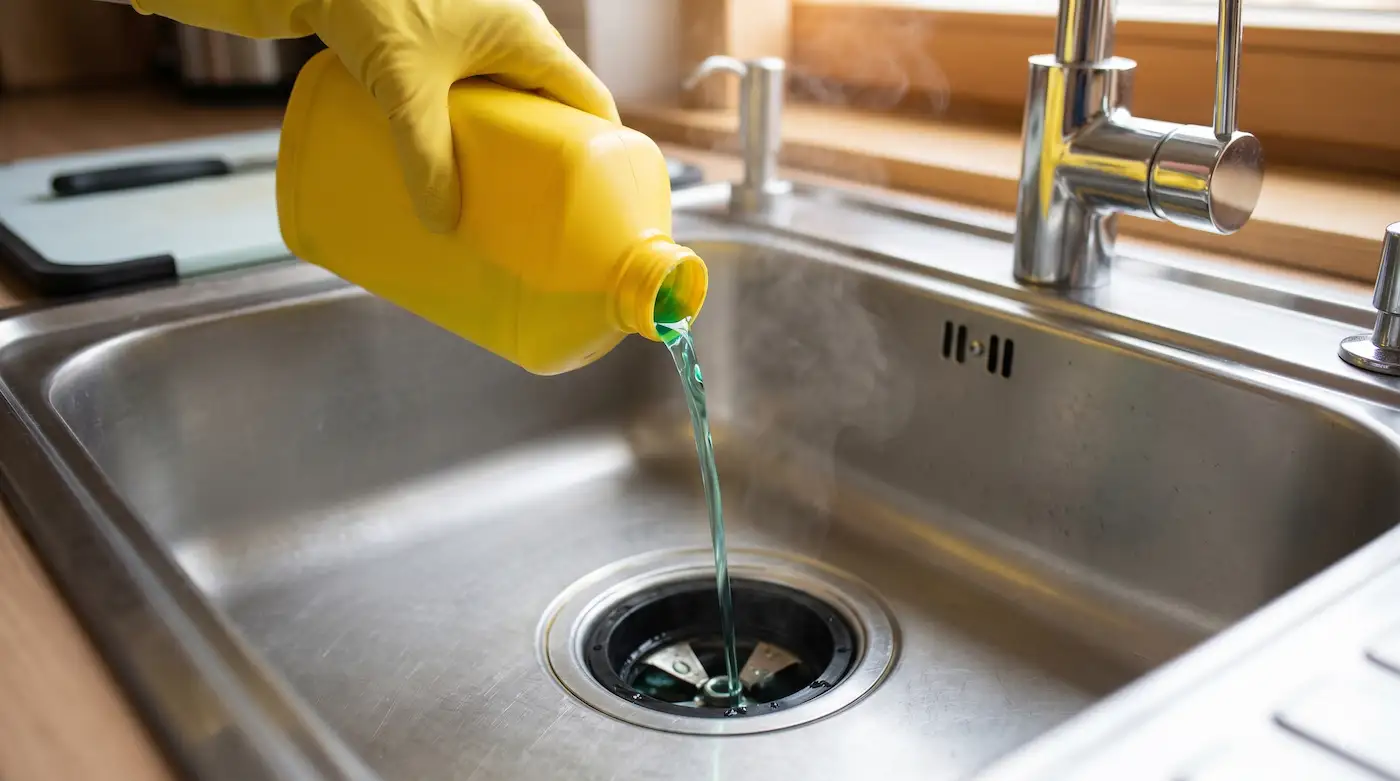
A garbage disposal is one of those kitchen gadgets that feels almost magical. You scrape in a few food bits, flip a switch, hear a dramatic little growl from under the sink, and suddenly the evidence of dinner is gone. Beautiful. Convenient. Slightly terrifying.
But then one day, the sink starts draining slowly. Maybe there is a smell. Maybe water is backing up like it has just discovered reverse gear. And then comes the big question: can you put drain cleaner in a garbage disposal?
The simple answer is: usually, no – it is not a good idea.
Chemical drain cleaners may seem like an easy fix, but garbage disposals are not ordinary drains. They have metal parts, rubber seals, grinding components, and connected plumbing that can be damaged by harsh chemicals. What looks like a quick solution can become an expensive repair faster than you can say, “Why is there water under the cabinet?”
Most liquid drain cleaners are designed to dissolve clogs using strong chemicals. These products can generate heat, break down organic material, and attack buildup inside pipes. That sounds helpful at first, but inside a garbage disposal, those same chemicals can create problems.
Your disposal contains moving parts, splash guards, seals, and sometimes older pipe connections that may not appreciate a chemical bath. Harsh drain cleaners can corrode metal components, weaken rubber parts, and leave behind fumes that are unpleasant or even unsafe in a kitchen environment.
There is also the issue of location. If the clog is inside the disposal itself, chemical cleaner may simply sit there instead of reaching the real blockage. If the clog is farther down the drain line, the cleaner may not clear it properly. In both cases, you are left with a stubborn clog and a garbage disposal that has just been exposed to something aggressive enough to make it question its life choices.
Using chemical cleaner in a garbage disposal can cause more harm than good. It may seem like a small shortcut, but plumbing shortcuts have a funny way of becoming full-day adventures.
Here are some possible problems:
In other words, pouring drain cleaner into a garbage disposal is a bit like using a flamethrower to toast bread. Technically, heat is involved. Practically, it is not the best tool for the job.
Before calling in a professional, there are a few safer steps you can try. The key word here is safer. Not heroic. Not experimental. Definitely not “let me take this whole thing apart while watching a random video.”
First, turn off the disposal and avoid putting your hand inside it. Even when it is off, a garbage disposal should be treated with respect. It is basically a tiny kitchen dragon with teeth.
You can try running cold water and switching the disposal on briefly to see if it clears light food buildup. Cold water helps keep grease more solid so it can move through the system instead of coating the inside of the pipes. If the unit hums but does not spin, it may be jammed and should be handled carefully.
For smells, grinding a few ice cubes can help knock loose light residue. A small amount of baking soda followed by vinegar may also freshen the drain, though it is not a miracle cure for serious clogs. Let it fizz for a few minutes, then flush with cold water.
Good maintenance can prevent many clogs before they happen. A garbage disposal is useful, but it is not a black hole. It cannot eat everything. Sadly, many homeowners learn this only after feeding it pasta, potato peels, coffee grounds, and regret.
Use these habits to keep it working better:
These simple habits can save you from many common kitchen sink problems. Your garbage disposal will not send you a thank-you card, but it may stop making suspicious noises at midnight.
If your sink is backing up, draining slowly again and again, smelling bad, leaking, or making unusual noises, it is time to bring in a professional. A clog may be deeper in the drain line, the disposal may be damaged, or there may be a bigger plumbing issue hiding behind the symptoms.
This is where Sobo Plumbing can help. Professional plumbers have the right tools to diagnose the problem without guessing. Instead of dumping chemicals into the system and hoping for the best, a plumber can inspect the disposal, check the drain line, clear the blockage properly, and make sure the system is safe to use.
For homeowners searching for reliable plumbing Calgary services, choosing a professional team is often the smartest and most cost-effective decision. A proper repair can prevent leaks, pipe damage, recurring clogs, and the classic household drama of “Why is the sink full again?”
A clogged garbage disposal can look simple from the outside, but the actual problem may be more complicated. Food buildup, grease, pipe slope issues, damaged disposal parts, or a blockage farther down the line can all create similar symptoms.
That is why a professional drain cleaning service in Calgary is a better choice than chemical drain cleaners. Professionals can use proper tools, safe techniques, and real experience to clear the problem without damaging the disposal or plumbing system.
Think of it like going to a mechanic instead of pouring mystery liquid into your car engine. Sometimes the bottle promises miracles, but the repair bill tells a different story.
In most cases, you should not put chemical drain cleaner in a garbage disposal. It can damage the unit, harm pipes, create unpleasant fumes, and fail to fix the real clog. A garbage disposal is a mechanical appliance connected to your plumbing system, so it needs the right approach.
For minor odours or light buildup, use safe cleaning habits such as cold water, ice cubes, and careful disposal use. For slow drains, backups, leaks, or repeated clogs, call a professional.
Your kitchen sink should make life easier, not turn into a science experiment with bubbles, fumes, and panic. When in doubt, let Sobo Plumbing handle the messy part, so your disposal can get back to doing what it does best – making dinner cleanup a little less annoying.

