643 Everridge Drive SW T2Y5E7 Calgary, AB
E-mail us: soboplumbing@gmail.com
Monday-Friday 8am-5pm

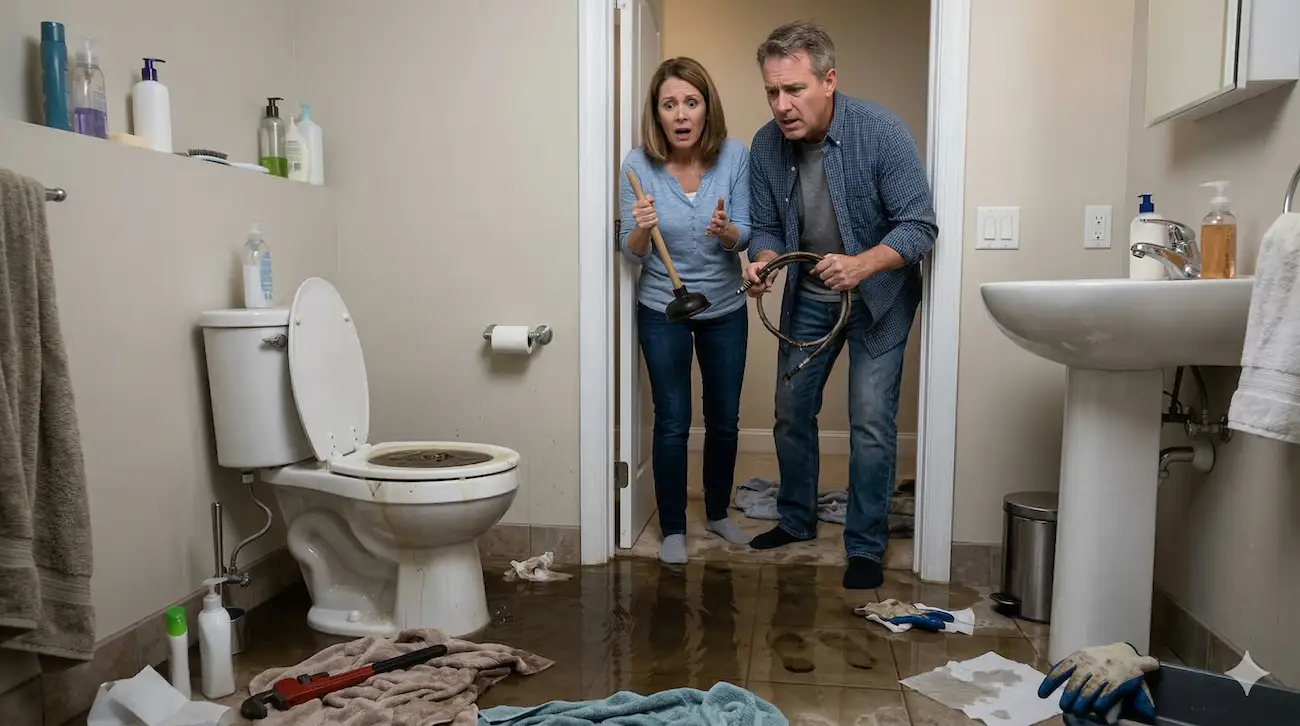
A sewer line drain is one of those things most people never think about until it starts protesting. As long as wastewater disappears the way it should, life feels normal. But the moment a toilet gurgles like it is trying to deliver a warning, or a basement drain starts acting suspiciously, the sewer line suddenly becomes the most important pipe in the house.
So, how to clean sewer line drain problems the right way? The short answer is that some minor maintenance can be done carefully, but serious sewer line clogs are usually not a do-it-yourself victory story. In many cases, what starts as a “quick fix” can become a mess involving dirty water, damaged pipes, and a smell that no scented candle on earth can defeat.
Still, it helps to understand what is happening, what basic steps homeowners can take, and when it is smarter to stop experimenting and call professionals.
Your sewer line is the main pathway that carries wastewater away from your home. Every flushed toilet, every shower, every sink full of soapy water eventually depends on this line doing its job. Unlike a simple kitchen drain clog, a sewer line blockage affects the whole system. That is why the warning signs tend to appear in multiple places at once.
If one sink drains slowly, that may be a local issue. If several drains are slow, toilets are bubbling, and water appears where it absolutely should not, the sewer line may be involved. At that point, your plumbing is not being dramatic for no reason. It is trying to tell you something important.
Sewer line clogs rarely appear out of nowhere. Usually, they build up over time because of one or more familiar culprits.
Here are some of the most common causes:
Tree roots are especially notorious. They are basically nature’s tiny plumbers, except they work for chaos. A root can detect moisture from a very small pipe crack, enter the line, and gradually create a blockage that catches paper, waste, and debris.
Before thinking about cleaning anything, it is important to recognize the symptoms of a sewer line problem. Ignoring them usually does not make them disappear. It just gives the clog more time to organize itself.
Watch for signs like these:
When these signs appear together, it is usually more than a simple blockage in one fixture.
Technically, sometimes yes. Realistically, not always safely or effectively.
There are a few basic steps a homeowner can try if the problem seems minor. For example, checking for an obvious clog in a nearby drain or using a plunger on an isolated fixture may help in limited situations. Some people also try a drain snake through an accessible cleanout. If the blockage is close and not too severe, that can occasionally work.
But sewer line cleaning is not the same as clearing hair from a bathroom sink. The blockage may be far down the line, compacted, or caused by roots or pipe damage. That is where DIY confidence often collides with plumbing reality.
Chemical drain cleaners are also a poor solution for sewer line issues. They are often too weak to solve the real problem, and in some cases they can damage pipes or create hazardous conditions. Pouring harsh chemicals into a system that already struggles to drain is a bit like throwing hot sauce at a broken engine and hoping for the best.
If you suspect an early-stage issue and want to inspect things before calling a pro, there are a few cautious steps you can take.
First, stop using as much water as possible. The more water that enters a partially blocked sewer line, the more likely it is to back up somewhere unpleasant.
Second, identify whether the issue affects one drain or the entire home. If it is just one fixture, the clog may be local. If multiple fixtures are involved, think sewer line.
Third, locate the sewer cleanout if your property has one. This is usually a capped pipe that allows access to the main sewer line. Opening it should be done very carefully because backed-up wastewater may spill out under pressure.
Fourth, if you have the right equipment and experience, a plumbing auger may help break through a minor obstruction. But force should never be used carelessly. If the cable meets serious resistance, the safest move is usually to stop rather than risk damaging the pipe.
Even when these steps help temporarily, they may not solve the underlying cause. A recurring blockage often means a deeper issue still exists.
Professional plumbers do much more than just poke at a clog and hope for the best. They diagnose the actual problem and choose the right method based on pipe condition, blockage type, and severity.
One common approach is drain snaking with professional-grade equipment. This is stronger and more effective than the small handheld tools homeowners often use.
Another highly effective solution is hydro jetting. This method uses high-pressure water to clear grease, sludge, debris, and even some root intrusion from the inside of the pipe. It does not just make a small hole through the clog. It cleans the interior more thoroughly.
Camera inspections are also a major advantage. By sending a specialized camera into the sewer line, plumbers can see exactly what is happening inside. That makes it possible to identify roots, cracks, bellied sections, buildup, or other structural issues. Instead of guessing, they work with evidence.
This is one reason professional sewer drain cleaning in Calgary is so valuable for homeowners dealing with recurring drain trouble. The goal is not just to restore flow for today, but to reduce the chances of the same ugly surprise next month.
Sewer line problems are messy, technical, and often more serious than they first appear. Even if a homeowner manages to improve drainage temporarily, the real cause may remain untouched. That is why professional service is often the most practical decision, not just the most convenient one.
A trained plumber can:
That last point matters. Many people try to save money by avoiding a service call, only to end up facing emergency cleanup, damaged flooring, or major pipe repairs. Sewer issues have a talent for becoming more dramatic when ignored.
Prevention is never glamorous, but it is a lot cheaper than emergency plumbing.
Avoid flushing wipes, hygiene products, paper towels, or anything labeled “flushable” that clearly should not be trusted. Be careful about pouring grease down drains. If you have older pipes or large trees near the sewer line, periodic inspections can be a smart move.
It is also wise to pay attention to small symptoms early. A slow drain may not seem urgent, but when multiple small warnings add up, the sewer line may already be asking for help.
Learning how to clean sewer line drain problems starts with understanding one important truth — this is not an ordinary clog. A sewer line blockage affects the entire home, can create serious sanitation issues, and often points to deeper problems inside the plumbing system.
Yes, there are a few careful steps a homeowner can take at the beginning. But when several drains are acting up, wastewater starts backing up, or the problem keeps returning, it is time to bring in professionals who know exactly what they are dealing with.
That approach is not about giving up on DIY. It is about knowing the difference between basic home maintenance and a situation that can escalate fast. With sewer lines, that difference matters a lot.
Because in plumbing, there are few things more satisfying than a clean, properly flowing drain — and few things less satisfying than realizing too late that the sewer had other plans.

