643 Everridge Drive SW Calgary, AB T2Y 5E7
E-mail us: soboplumbing@gmail.com
Open 24 hours

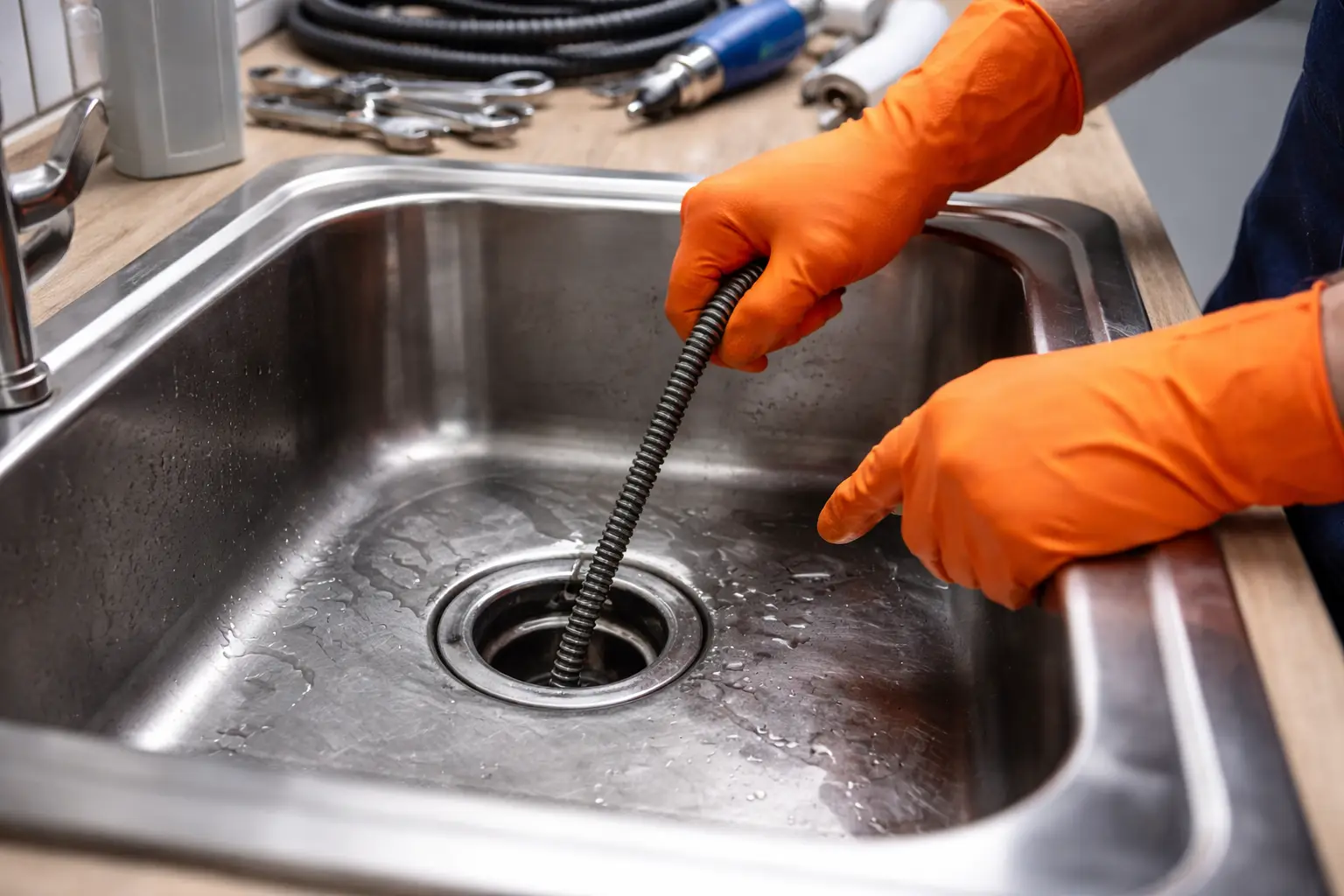
If drains could talk, they would probably scream for help long before we notice a problem. Instead, they gurgle politely, drain a little slower than usual, and quietly collect things we would rather not think about. Hair, grease, soap scum, food particles – your pipes are not just plumbing; they are a hidden ecosystem with very questionable life choices.
So how often should you clean your drains? The honest answer is – more often than most people do, but not as often as you fear. Let’s break it down in a practical, realistic, and slightly entertaining way.
Many homeowners treat drain cleaning like going to the dentist – something you only deal with when the pain becomes unbearable. The sink is draining slowly? Ignore it. The shower floor turns into a shallow pool? Step faster. The kitchen smells “a little funny”? Light a candle.
Here’s the problem: drains rarely fail suddenly. Clogs build gradually. Grease sticks to pipe walls. Soap scum hardens. Hair forms impressive architectural structures. Over time, this buildup reduces pipe diameter, slows water flow, and increases pressure inside your plumbing system.
Regular cleaning is preventive maintenance – just like changing oil in your car. It extends the lifespan of your pipes, reduces the risk of backups, and helps you avoid emergency service calls at the worst possible moment (like during a family dinner or holiday gathering).
For an average household, here’s a simple guideline:
These intervals are not random. Kitchens accumulate grease and food debris. Bathrooms collect hair and soap residue. The main sewer line handles everything from your home, so preventive cleaning every couple of years can significantly reduce the risk of major blockages.
If you have an older home, large trees near your property, or a history of clogs, you should consider more frequent inspections.
Sometimes your drains don’t wait for the “recommended schedule.” They send signals. Pay attention to these early warnings:
If more than one drain is acting up at the same time, that may indicate a deeper issue in the main line. That is not the moment for DIY experiments. That is the moment to call professionals.
There is nothing wrong with basic maintenance between professional cleanings. In fact, small habits can significantly reduce buildup:
What about baking soda and vinegar? It can help with light odors and minor buildup, but it is not a miracle solution. And chemical drain cleaners? They may dissolve clogs temporarily, but they can also damage pipes – especially in older plumbing systems.
The key idea is this: light maintenance is good. Aggressive chemical warfare inside your pipes is not.
Professional drain cleaning is not just “stronger chemicals.” Reputable companies use specialized equipment like drain snakes and hydro-jetting systems that physically remove buildup from pipe walls.
Hydro-jetting, for example, uses high-pressure water to clear grease, sludge, and debris without damaging the pipes when performed correctly. It doesn’t just poke a hole through a clog – it cleans the entire inner surface of the pipe.
This is why scheduling periodic Calgary drain cleaning services is not an expense – it is an investment in the longevity of your plumbing system. Preventive cleaning reduces emergency repairs, protects your property from water damage, and keeps everything flowing the way it should.
Some homes need more frequent attention. You may require annual drain cleaning if:
Tree roots are particularly aggressive. They seek moisture and can infiltrate small cracks in underground pipes, leading to serious blockages. Preventive inspection and cleaning can detect this early and save thousands in repair costs.
If you manage a commercial space, restaurant, or rental property, the cleaning frequency should be higher. Heavy use means accelerated buildup. In restaurants especially, grease accumulation can become severe very quickly.
Quarterly or bi-annual professional cleaning is often recommended for high-traffic properties. Waiting until a blockage shuts down operations is never a wise strategy.
Postponing drain cleaning may seem harmless – until it isn’t. A severe clog can cause:
Emergency calls are almost always more expensive than preventive service. And water damage repairs? Even more so.
Working with a trusted plumber in Calgary AB ensures your system is evaluated properly. Professionals can identify developing issues, recommend a cleaning schedule tailored to your property, and give you peace of mind.
If you like structure, here’s a practical approach:
Mark it in your calendar the same way you schedule HVAC servicing or vehicle maintenance. Plumbing works quietly in the background – until it doesn’t.
Drain cleaning is not glamorous. No one brags about freshly cleaned pipes. But it is one of the smartest forms of home maintenance.
If everything seems fine, that is actually the perfect time to schedule preventive service. Waiting for a clog is like waiting for your car engine to fail before checking the oil.
Regular inspections, professional cleaning, and expert advice from Sobo Plumbing help protect your home, your comfort, and your budget. Clean drains mean fewer surprises, better flow, and a plumbing system that quietly does its job – exactly the way it should.
And honestly, that is the kind of silence we all appreciate.

